

Eco lodges offer an inviting way to embrace mindful travel and reduce environmental impact. Guests step into spaces crafted with respect for nature and long term preservation. These destinations provide a refreshing shift toward conscious choices. They turn simple getaways into meaningful sustainable living stays that encourage awareness and appreciation for the world outside.
Architecture Rooted in Environmental Harmony
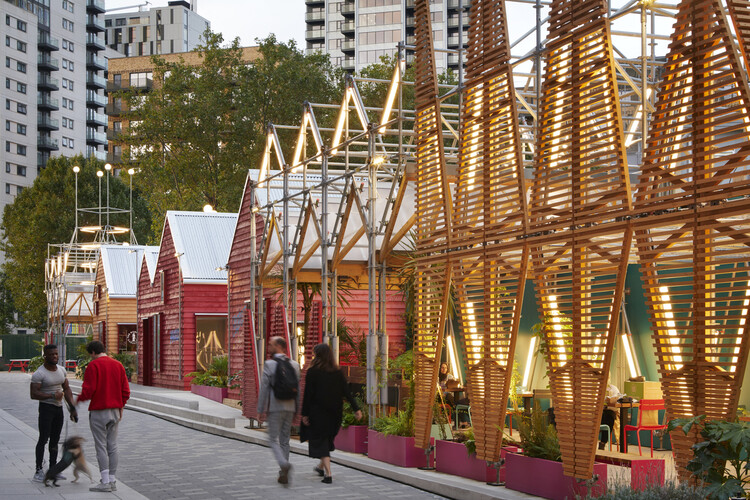
Structures in eco lodges often incorporate local materials that harmonize with the landscape. Builders use wood, bamboo, stone, and other regionally sourced elements that age gracefully. Rooms feel grounded in their surroundings. Natural ventilation and smart positioning invite breezes and soft daylight. The design minimizes resource consumption.
Windows open toward forests or mountains. Guests feel the quiet strength of the environment. The architecture encourages calm and fosters a sense of connection.
Energy Practices That Support the Future
Eco lodges rely on renewable energy systems. Many operate using solar power. Some combine micro hydro or wind resources. These solutions reduce strain on local grids. They also create a stable and efficient energy flow for guests.
Water heating systems often employ solar collectors. Lighting uses low consumption fixtures. Management teams monitor usage closely to ensure responsible distribution. These efforts illustrate practical sustainability in daily operations.
Waste Reduction as a Core Principle
Responsible waste management shapes the identity of eco lodges. Recycling stations appear in accessible areas. Food scraps move to compost systems that nourish garden soil. Plastic use remains minimal. Glass, metal, and paper are typically repurposed or reused.
Guest amenities align with this mindset. Refillable containers replace disposable packaging. Linens receive mindful rotation. Each choice supports long term environmental health.
Gardens That Nourish Both Land and Visitors
Eco lodges frequently cultivate organic gardens filled with herbs, vegetables, and fruit. Guests witness the journey of ingredients from soil to plate. The process strengthens appreciation for natural cycles.
Garden produce inspires menus that highlight seasonal flavors. Meals feel vibrant and wholesome. Visitors enjoy dishes crafted with freshness in mind. The experience reinforces the importance of cultivating food in harmony with the environment.
Activities Encouraging Responsible Exploration
Guests engage with landscapes through low impact activities. Guided walks follow trails that protect ecosystems. Naturalists explain the significance of local flora and fauna. Visitors learn to observe without disrupting habitats.
Canoeing, birdwatching, and gentle cycling routes provide outdoor enjoyment. Each activity fosters curiosity and respect. Guests move through nature with awareness.
Community Partnerships That Strengthen Local Identity
Eco lodges maintain close relationships with nearby communities. Local artisans contribute handmade furnishings. Cultural guides share stories passed down through generations. These collaborations honor regional identity.
Fair trade practices ensure that communities benefit directly from tourism. Guests witness the value of supporting local economies. The connection enriches the entire travel experience.
Dining Rooted in Conscious Choices
Restaurants within eco lodges design menus around sustainability. Chefs prioritize organic produce, locally sourced proteins, and traditional cuisines. Food arrives with minimal transportation and reduced environmental cost.
Meals unfold in scenic settings. Open air dining rooms capture the essence of place. Visitors savor dishes crafted with intention. The atmosphere encourages mindful appreciation of every ingredient.
Interior Comfort With Purpose
Rooms in eco lodges blend comfort with environmental care. Textiles come from natural fibers. Furniture showcases craftsmanship from local artisans. Colors reflect earth tones that promote relaxation.
Lighting remains gentle. Air circulation flows freely. These spaces nurture rest while maintaining commitment to sustainability. Guests feel at ease, knowing that comfort does not conflict with environmental responsibility.
Wildlife Awareness That Shapes Ethical Stays
Eco lodges often sit in areas rich with biodiversity. Visitors learn ethical ways to engage with nearby wildlife. Lodges set guidelines that protect animals and their habitats. Safe distances, quiet observation, and restricted zones preserve the integrity of natural ecosystems.
This approach fosters understanding without intrusion. Guests leave with heightened respect for the creatures that shape each region’s identity.
Closing Thoughts
Eco lodges invite travelers to experience sustainability in practical and meaningful ways. These destinations combine comfort with environmental awareness. Guests discover how thoughtful choices create fulfilling stays that celebrate nature and community.
About the Author


