

Mountain retreats offer a rare doorway back to the essentials of the natural world. These elevated sanctuaries invite travelers to slow down and engage with surroundings that feel untouched. Each moment becomes an opportunity to breathe with intention and observe the landscape with clarity. This is where nature reconnection experiences begin for visitors seeking a meaningful shift in perspective.
Environments That Encourage Mindful Presence
Mountain environments provide steady calm through their distinct rhythms. The crisp air, the gentle sway of trees and the restrained hum of wildlife form a setting that nurtures awareness. Guests often notice how quickly their senses sharpen. Colors appear more vivid. The slightest movement of leaves captures attention.
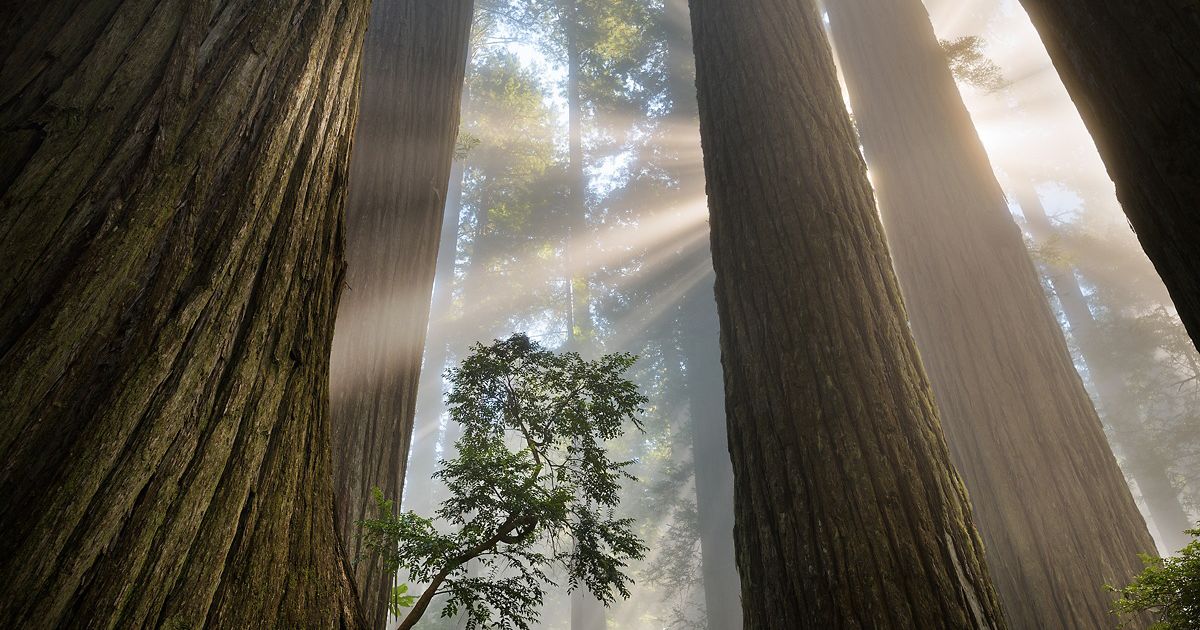
Early mornings hold a special charm. Light glows softly over ridges and valleys. This transition invites visitors to spend a few quiet minutes observing the transformation. Even brief exposure to these conditions supports mental ease.
Walking paths lead through diverse vegetation. These routes encourage steady exploration. Guests find themselves pausing often to appreciate subtle details in the terrain.
Architectural Harmony With the Surroundings
Mountain retreats adopt architectural forms that respect the land. Natural materials dominate. Stone, reclaimed wood and organic textures bring outdoor elements into the interior. This design approach strengthens the connection between guests and the environment.
Large windows frame panoramic views that shift throughout the day. Visitors can watch fog dissolve into sunlight or follow the slow descent of evening shadows. Rooms feel open yet grounded. Minimal furnishings reduce visual noise.
Outdoor decks extend the experience. They provide spaces for reflection or quiet conversation. The architecture supports a constant awareness of nature.
Activities That Deepen the Connection
Programs at mountain retreats are curated to guide guests toward meaningful engagement with the environment. Guided forest walks introduce unique plant species. Listening-focused excursions help visitors tune into the quiet patterns of the landscape.
Breathing classes emphasize the purity of the mountain air. These sessions promote a grounded state of mind. Gentle stretching routines held outdoors allow participants to move slowly while observing the scenery.
Some guests prefer unstructured time. Sitting beside a flowing stream or leaning against a sun warmed rock can be profoundly grounding.
Thoughtful Culinary Practices
Dining plays an important role in the reconnection process. Many retreats source ingredients from nearby farms or cultivate their own gardens. This approach ensures freshness and aligns meals with seasonal cycles.
Dishes focus on nourishment. Simple broths, mountain herbs and clean grains support the body while maintaining balance. Fruit platters highlight regional harvests. Warm teas made from local leaves amplify the connection to the surroundings.
Guests often linger in dining spaces. Large windows showcase valleys and peaks. These views transform mealtime into a calming ritual.
Wellness Rooted in Natural Elements
Wellness programs integrate the qualities of the mountain environment. Mineral rich baths draw from natural springs. Herbal treatments use plants known for grounding properties. These therapies encourage physical comfort and mental clarity.
Meditation rooms maintain soft lighting and quiet air. Visitors can spend extended periods practicing stillness. Outdoor platforms positioned near ridgelines provide serene settings for reflective sessions. Yoga classes held at dawn or dusk elevate the experience.
Each wellness practice reinforces the connection between the individual and the land.
Responsible Approaches to the Mountain Ecosystem
Sustainability is a defining value of many mountain retreats. Respect for the environment ensures its long term vitality. Renewable energy, thoughtful waste systems and water conservation practices protect natural resources.
Local communities support these initiatives. They maintain trails, safeguard wildlife areas and preserve cultural traditions. Visitors contribute by choosing retreats that commit to ecological responsibility.
Maintaining these standards allows the environment to remain pristine.
A Sanctuary for Reconnection
Mountain retreats offer a path to rediscover balance through simplicity and presence. Every element, from architecture to daily routines, supports a deeper relationship with the natural world. Guests leave with renewed clarity and a steady appreciation for their surroundings.
About the Author


