

Mountain destinations offer a refreshing path toward inner calm. The atmosphere resets thought patterns fast and sharpens awareness. Travelers step into an environment shaped by quiet valleys, rising slopes and shifting light. These places nurture clarity. Every moment feels purposeful because the surroundings amplify serenity through a unique blend of air, altitude and unspoiled terrain. Visitors often describe these highland sanctuaries as peaceful escape retreats that soothe the senses from the very first breath.
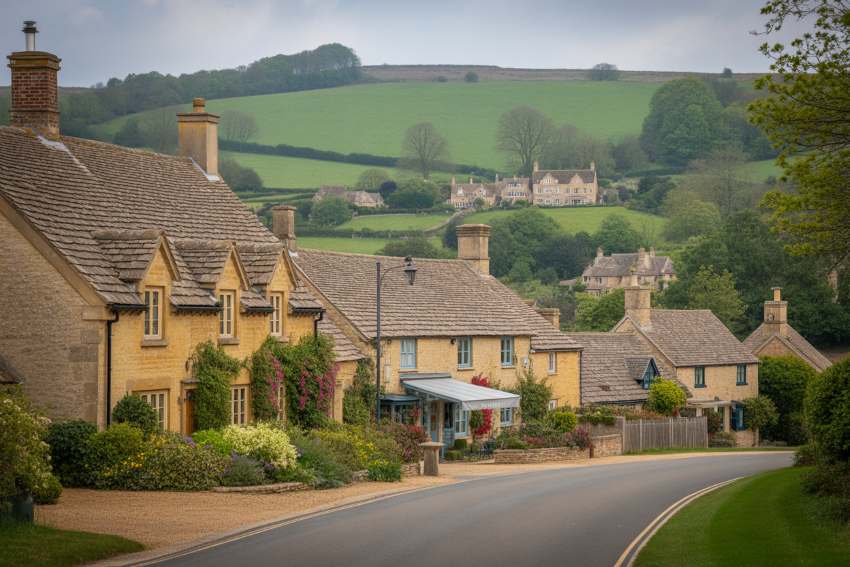
Scenic Environments That Inspire Natural Stillness
Mountain retreats present landscapes that awaken a deep sense of presence. The horizon stretches endlessly. Forests sway gently with the wind. The soundtrack of distant wildlife replaces the constant hum of daily obligations. The simplicity of the environment creates a different rhythm. It encourages people to slow down and absorb each detail.
Light plays a central role in shaping the experience. Morning rays spread across the ridges and illuminate the slopes with soft color. As the day progresses, the shadows shift and create evolving patterns that feel meditative. Travelers become more attuned to these changes. The stillness becomes a teacher. The mountains reward attention.
Lodges Crafted With Harmonious Design
Highland lodges often integrate natural elements into their design. Timber beams, stone textures and expansive glass panels form a cohesive architectural language. These structures blend into their surroundings. The effect is subtle and intentional. Everything feels connected.
Interior spaces favor openness. Many retreats include large windows that invite daylight and offer sweeping views. The scenery becomes part of the room. Visitors can sit near the glass and observe the interplay of clouds and ridgelines. The atmosphere encourages composure. The design supports comfort without sacrificing authenticity.
Activities That Balance Vitality and Rest
Mountain retreats cater to guests with varied interests. Some prefer gentle walks along shaded forest paths. Others enjoy more vigorous climbs that challenge endurance. Each trail introduces new sights. Alpine flowers line the routes. Small streams create calming soundscapes.
Cycling paths offer different kinds of movement. The terrain shifts between smooth routes and moderately steep sections. This variety allows travelers to pick a pace that matches their energy. Morning rides often feel crisp and invigorating. Afternoon rides carry a quieter tone as the sun begins to soften.
Water activities also complement the landscape. Many retreats sit near lakes or streams. Canoeing on still water provides a rhythmic experience. It fosters concentration. It encourages a grounded state of mind.
Culinary Journeys Rooted in Local Character
Food in mountain regions often reflects the strength of local agriculture. Many retreats prepare dishes using produce gathered from nearby farms. This approach supports regional growers and enhances the dining experience. Each meal feels intentional because the flavors embody the landscape.
Warm broths and herb enriched dishes suit the cooler climate. Guests appreciate the nourishment after long hours outside. Breakfast spreads often include whole grains, mountain berries and baked goods made on site. The result feels balanced. Dining halls usually position their tables near wide windows. Visitors stay visually connected to the surrounding mountains while they eat.
Wellness Practices That Support Inner Renewal
Mountain retreats often highlight wellness programs. These programs encourage grounding through simple practices. Yoga sessions held on open decks help participants settle their breathing. The elevation enhances the feeling of spaciousness. Movement feels deliberate.
Meditation areas provide quiet environments for reflection. Some retreats also offer body treatments using regional herbs and minerals. These treatments reduce tension. They support recovery after outdoor activities. Evening sessions sometimes involve stargazing. With minimal light pollution, the night sky reveals dense constellations. Observing these patterns promotes mental clarity.
Conservation Efforts That Maintain Alpine Integrity
Sustainable practices strengthen the long term health of mountain environments. Many retreats adopt renewable energy solutions. Others implement strict waste management. Some collaborate with local communities to restore and protect natural habitats.
Visitors contribute simply by choosing accommodations that uphold ecological responsibility. These decisions help preserve the terrain. Mountain regions flourish when caretakers and travelers act with intention. Responsible practices safeguard the landscape for the future. The retreat experience becomes richer because the environment remains intact.
A Reconnection That Lasts Beyond the Journey
Mountain retreats offer more than visual beauty. They foster balance. They provide room for thought. They encourage new perspectives. Travelers leave with renewed clarity. The rhythm of daily life becomes easier to navigate after spending time immersed in quiet terrain.
These destinations act as anchors of calm. They support reflection. They help people recalibrate their priorities. Discovering peaceful escapes in mountain retreats becomes an experience that lingers long after the journey ends.
About the Author


