

Eco lodges offer a restorative gateway for travelers who crave peaceful immersion in natural environments. These retreats emphasize balance between comfort and ecological responsibility. Guests seeking serene lodge escapes find quietude that feels both grounding and invigorating. The ambience nurtures clarity and a renewed appreciation for the surrounding landscape.
Architecture that Blends with Nature
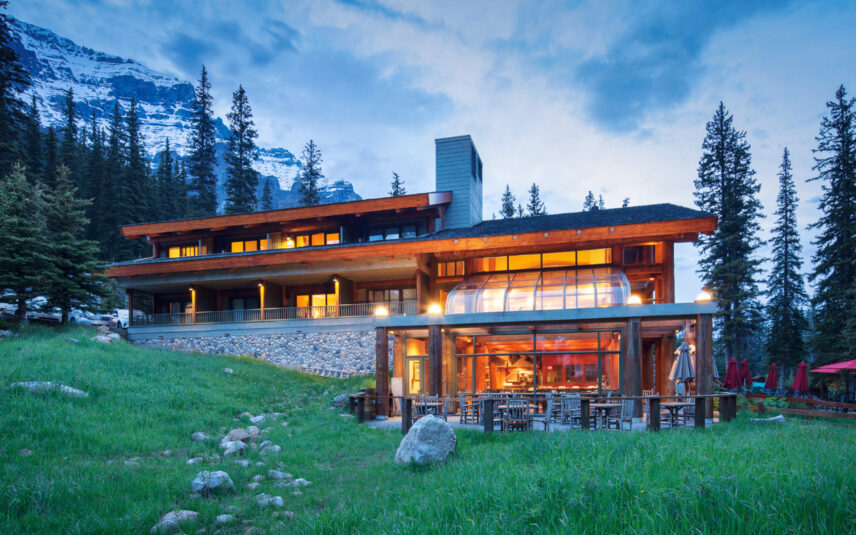
Eco lodge design focuses on integration with the environment. Structures are crafted with materials that minimize environmental strain. Reclaimed timber, stone, and natural fibers contribute to an atmosphere that feels thoughtful. Ventilation systems rely on strategic airflow to reduce energy use. This creates a sensation of freshness that artificial systems rarely replicate.
Many properties utilize solar arrays to harness consistent energy without burdening local infrastructure. Water conservation appears throughout the property. Rainwater capture, filtration systems, and efficient plumbing maintain responsible consumption. These features preserve resources while elevating comfort.
Interior elements support tranquility. Furnishings often draw from local artisans who use regionally sourced materials. Color palettes mirror the terrain. Rooms feel cohesive with their environment, not competing with it. Guests experience a subtle sense of continuity between indoor and outdoor spaces.
Activities that Invite Immersion
Eco lodges curate programs that deepen connection to the landscape. Guided treks introduce guests to native species and their habitats. These excursions spark curiosity. The details of each ecosystem become visible through careful observation.
Some lodges collaborate with conservation groups to provide educational sessions. These discussions explore ecological challenges and restoration strategies. Visitors gain a deeper understanding of the region’s evolution and the importance of preservation.
Low impact recreational options give guests opportunities to explore without disturbing wildlife. Kayaking, forest walks, meditation clearings, and night sky viewing all encourage mindfulness. These activities emphasize presence rather than pace. The result is a more meaningful connection with the environment.
Community Partnerships that Strengthen Sustainability
Many eco lodges build strong relationships with nearby communities. Employment opportunities empower residents and create shared stewardship. This collaboration fosters mutual respect. It also reinforces long term sustainability efforts.
Cultural elements appear across the property through traditional crafts, regional patterns, and locally made goods. Guests encounter textiles, carvings, and decorative pieces that represent local identity. This supports artisans and preserves cultural heritage.
Culinary programs highlight locally sourced ingredients. Produce, spices, and herbs from nearby farms create vibrant meals that reflect regional flavor. The approach reduces transport emissions and supports agricultural networks that value ecological balance.
Environmental Principles at the Core
Eco lodges design operations around responsible land care. Trails are strategically placed to avoid degradation. Waste management systems prioritize composting and recycling. Many properties eliminate single use plastics entirely. These choices protect the environment while shaping healthier guest habits.
Wildlife protection stands as a central principle. Lodges implement guidelines that maintain respectful distance from animal habitats. Staff educate visitors on ethical interactions. This ensures that curiosity does not convert into disruption.
Some properties invest in habitat restoration through tree planting, invasive species removal, and native plant cultivation. Guests frequently join these efforts in simple voluntary activities. Their participation contributes to long term ecological stability.
Comfort that Feels Purposeful
Eco lodges demonstrate a refined balance between comfort and clarity. Rooms showcase natural textiles, gentle lighting, and minimalistic layouts. The absence of excessive electronics fosters deeper relaxation. Guests rediscover the value of quiet.
Wellness facilities use botanical treatments derived from plants found in the surrounding region. These remedies feel authentic, not synthetic. Many visitors leave with renewed energy and a calmer state of mind.
Communal areas encourage reflection and connection. Outdoor decks, reading corners, and garden paths provide serene spaces where guests can unwind. Conversations flow naturally in these settings. The environment nurtures genuine interaction without distraction.
Why Travelers Seek Eco Lodge Serenity
Travelers increasingly look for destinations that align with responsible values. Eco lodges offer a direct path to sustainable exploration. Guests enjoy nature without contributing to its decline. This balance appeals to people who want their experiences to contribute positively.
These lodges also satisfy a growing desire for mental clarity. Natural surroundings relieve stress. Quiet routines help reset focus. Carefully curated activities support mindfulness. The effect lingers long after departure.
Cultural insight adds another dimension to the appeal. Collaboration with local communities provides guests with perspectives that deepen appreciation for the region. Learning through participation builds a meaningful connection with both people and place.
Closing Thoughts
Eco lodges provide a sanctuary where simplicity, stewardship, and comfort coexist. Travelers experience nature in a way that honors its fragility while celebrating its beauty. The result is a journey that restores perspective and supports a healthier relationship with the environment.
About the Author


