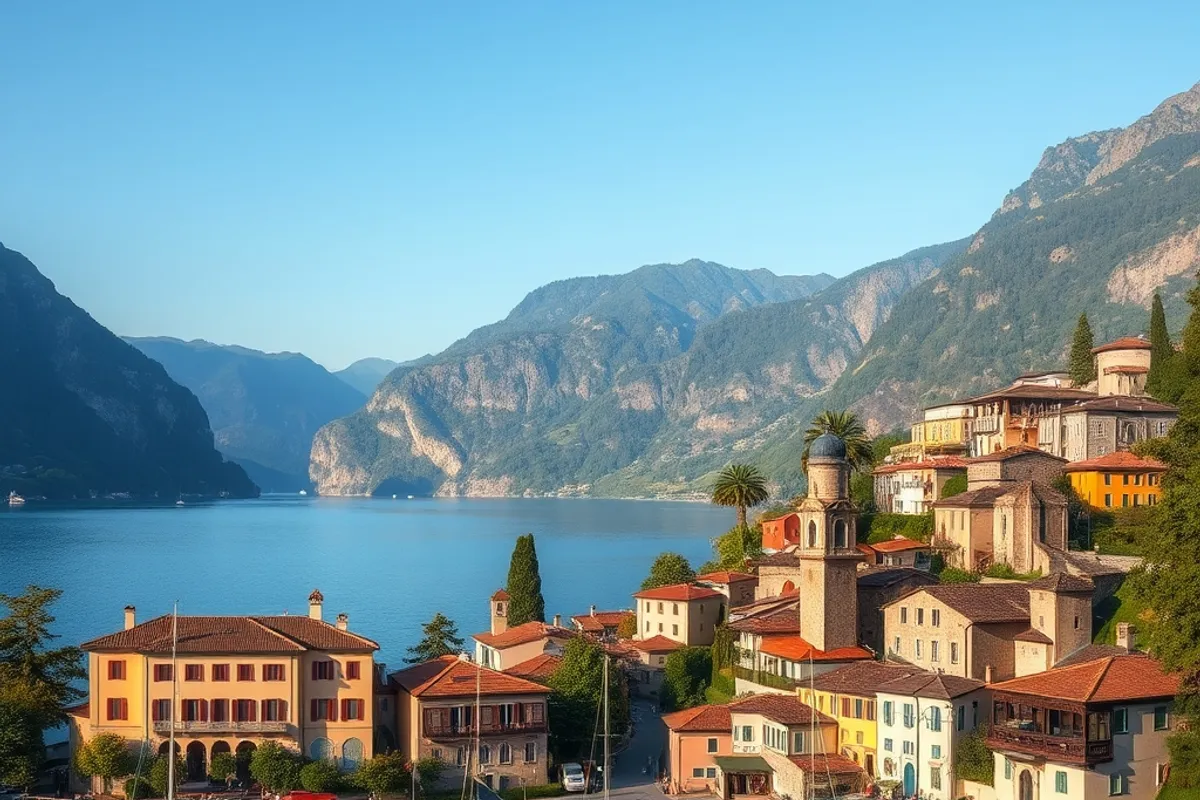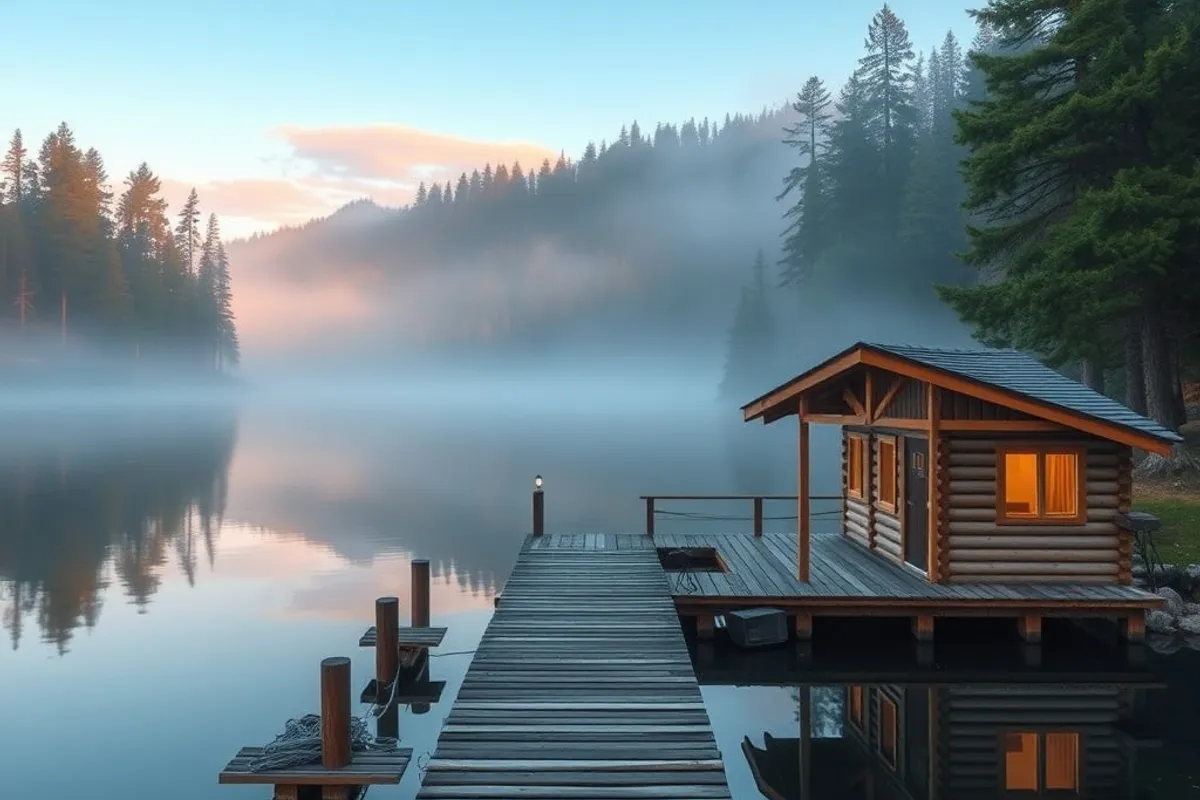
The photograph shows a deck, a jetty and still water. The listing says lakeside. What it does not say is that the lake is across a road, the jetty belongs to the neighbouring campsite, and the deck faces a car park after 5pm.
Lakeside lodging is the easiest category in travel to mis-sell, because the word covers everything from a boathouse to a motel with a partial view. These are the checks we run before paying a deposit, and the questions that get a straight answer from an owner.
Key facts
- Waterfront, lake view and lake access are three different claims; ask which one the property actually holds.
- A 200-metre walk to the shore can mean a public road, a steep bank or a private garden in between.
- Ask for the view from your room number, not the property; corner rooms often see the car park.
- Peak lake towns add tourist tax and parking fees that can reach 10 to 15% of the room rate.
- Off-season rates fall sharply, but ferries and lake restaurants may close with them.
Waterfront, lake view and lake access
Waterfront usually means the property boundary touches the water. Lake view means you can see water from somewhere in the room or the shared areas. Lake access means there is a practical way to get to the shore, which may be a public path half a kilometre away. Only the first two are about the property; the third is about the neighbourhood.
Ask the owner to confirm all three in writing, with the room category you are booking. A reply that mentions the view but not the access is a useful warning. A reply that names the jetty, the path and the swimming spot is a good sign.
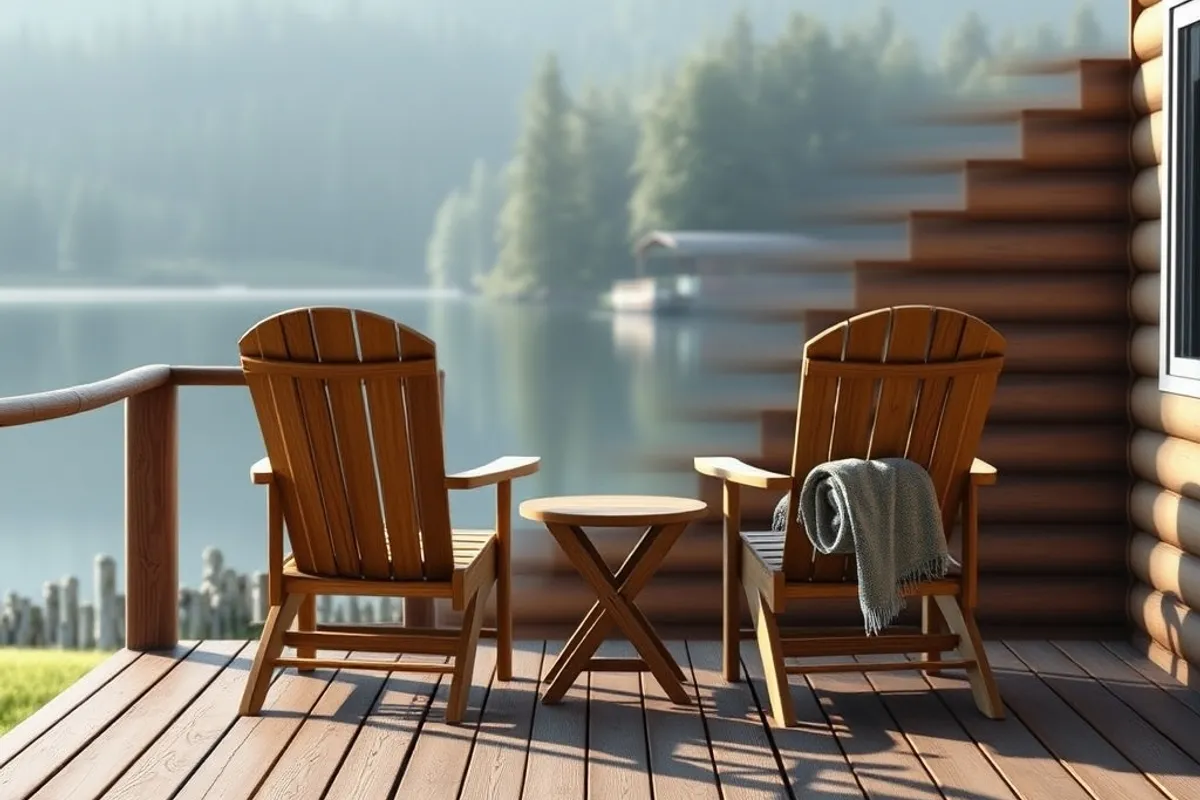
Reading the listing like a sceptic
Start with the map, not the gallery. Measure the distance to the water on satellite view and check what sits between the property and the shore: a road, a railway, a campsite, a restaurant terrace. Then read the most recent reviews that mention noise, smell or access rather than the ones that mention the welcome basket.
Look at the photo timestamps and seasons. A deck photographed in July may be the only usable outdoor space, and a lake photographed in calm weather may be windy for most of the afternoon. If every image is a drone shot, ask for a phone photo from the room window.
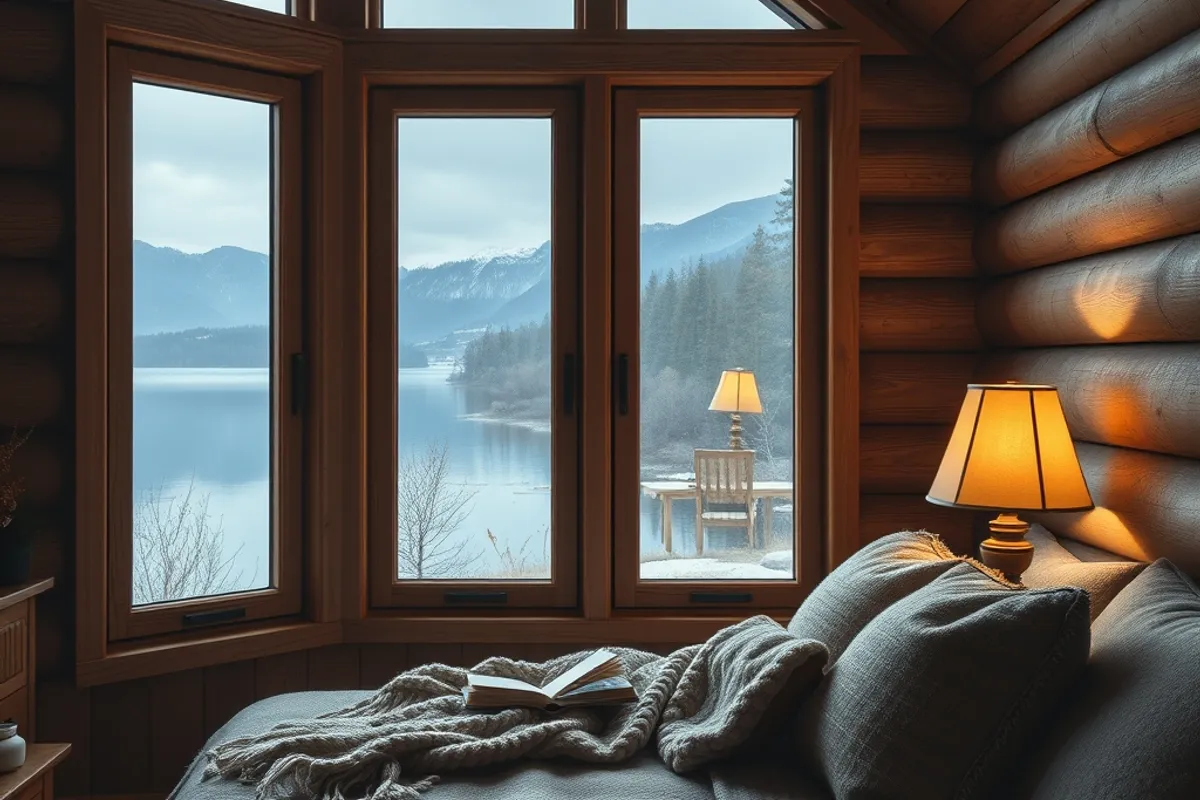
Mooring, swimming and boats
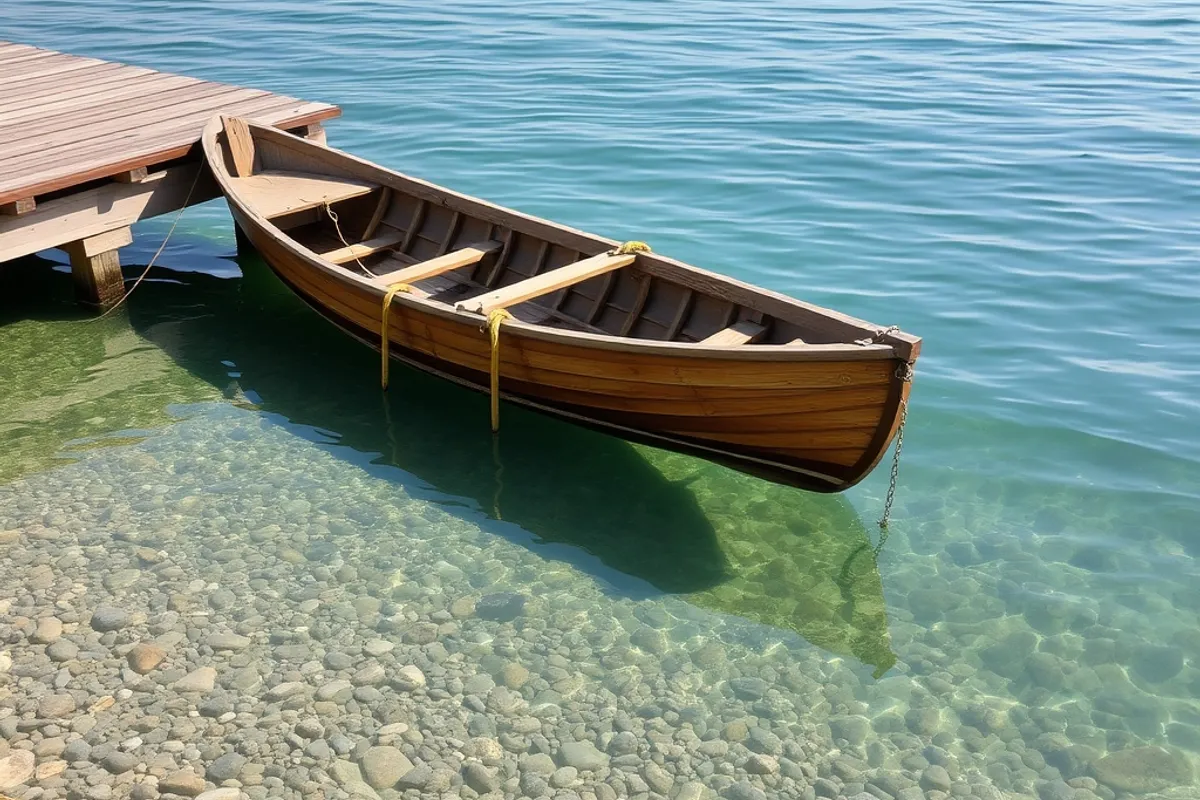
If you are bringing or renting a boat, confirm the mooring before you book. A private jetty may have space for one small boat, no space at all, or a waiting list. Ask about depth at the end of the jetty, because a shallow lake edge can strand a boat with a modest draft.
Swimmers should ask about the bottom: gravel, mud, weed or rocks. Families should ask whether the shoreline shelves gently or drops away, and whether there is a lifeguard in season. These are the details that decide whether the lake is usable or merely photogenic.
Noise, roads and the season
Lakeside roads are often the only route around the water, which means traffic passes close to the front rooms. Check whether the property sits on the main lakeside road, and ask for a room at the back if you are a light sleeper. Boats, bars and ferries add their own noise, especially at weekends.
Season changes the lake more than the hotel. In July the promenade is busy and the water is warm; in October the restaurants close early and the ferries run a reduced timetable. Neither is wrong, but the trip you book should match the season you choose.
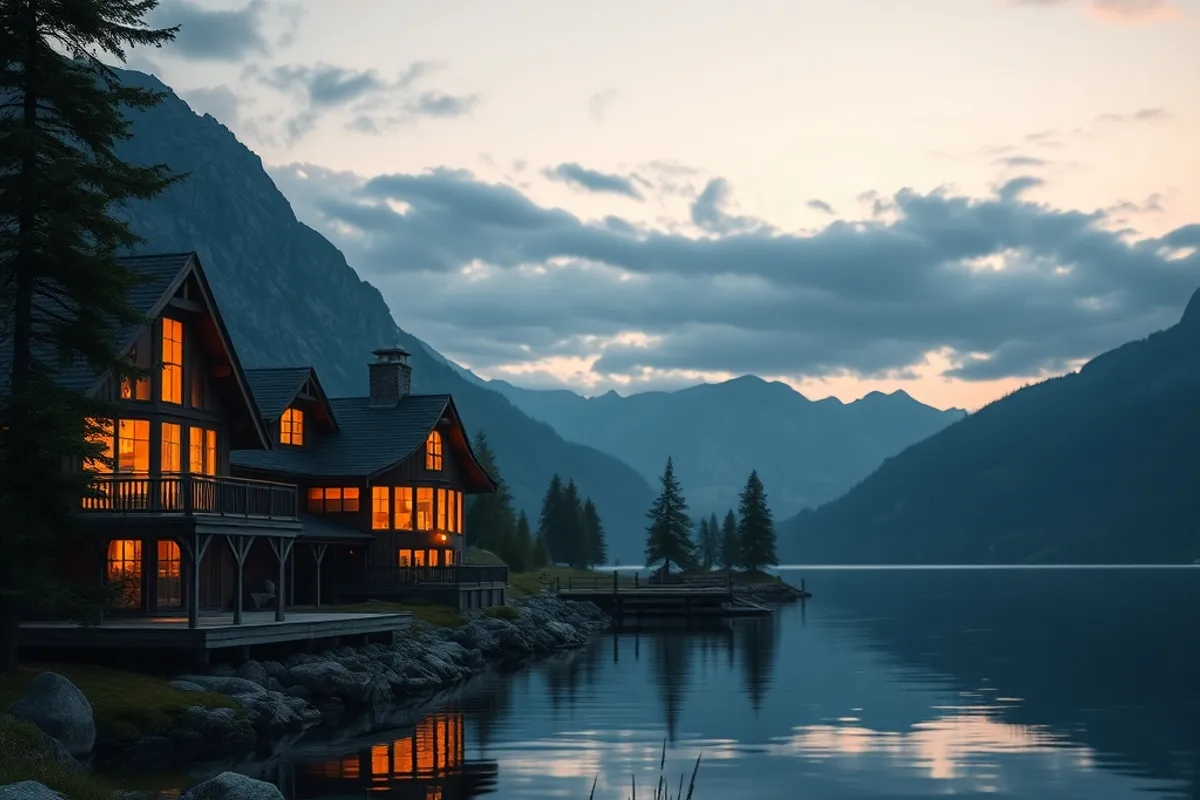
A lake view is worth paying for. A lake promise is worth verifying.
What is actually included
Breakfast, parking, firewood, rowing boats, paddleboards, sauna and cleaning fees are the items most often assumed and least often included. Add them to the nightly rate before comparing properties, because a cheap room with paid parking and a cleaning fee can cost more than a pricier one that includes both.
Ask about the practical things too: heating or air conditioning, Wi-Fi strength, mobile signal, and whether the kitchen has an oven or only a hob. A lakeside cabin is a self-catering proposition for many guests, and a two-ring hob gets old by the third night.
The booking checklist
Before paying, confirm the room number and its view, the distance and route to the shore, the cancellation terms, the tourist tax, and whether the price includes cleaning and parking. Ask for a recent photo from the room window, not the balcony.
Then decide what kind of trip you want. A glassy lake at dawn and a quiet deck need a property away from the main road. A short walk to dinner and a ferry stop need a village location. You can have one or the other, rarely both at the same price.
Official source: visitnorway.com.