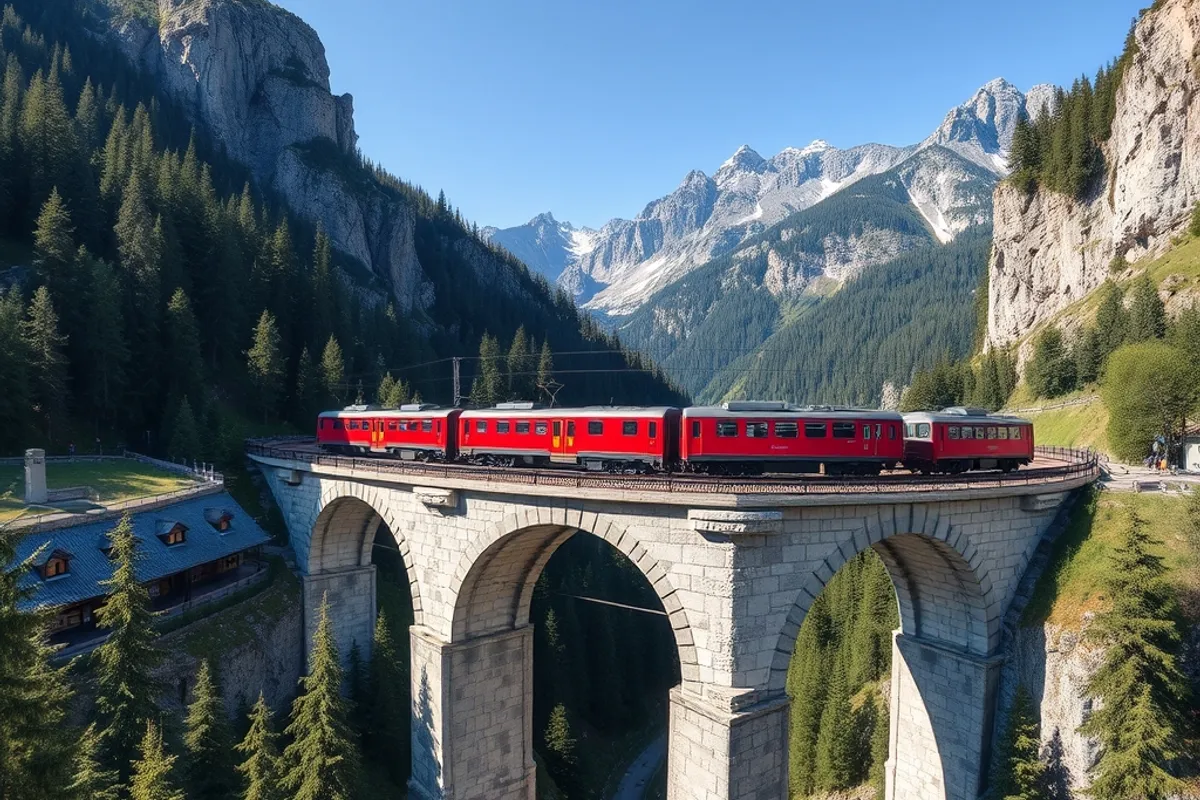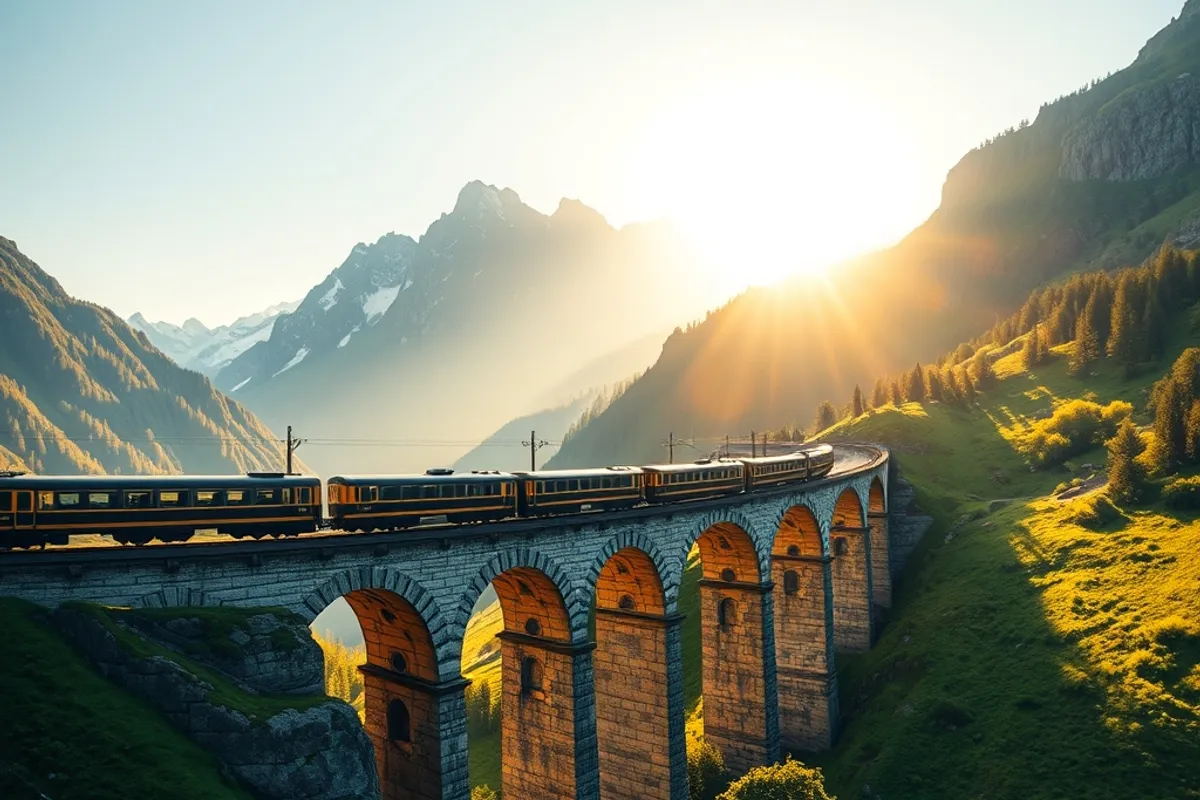
A scenic railway is not simply a train that happens to pass a mountain. The best routes are engineered for the view: sweeping curves, long viaducts, tunnels that open onto something worth waiting for. The worst are ordinary commuter lines with a pretty ten minutes in the middle.
We rode, priced and compared the routes travellers ask about most, then cut the list to nine that justify the ticket in 2026. Each entry notes the length, the season that flatters it and the seat you should request at booking.
Key facts
- Book panoramic or window seats at the reservation stage; on many routes they cost the same as a standard seat.
- Shoulder seasons, late April to early June and September to mid-October, usually give clearer views and thinner crowds.
- A four-hour scenic leg is more comfortable than an eight-hour one; split long routes with an overnight stop.
- Regional passes often cover the same track as premium tourist trains at a fraction of the fare.
- Left versus right matters: check the route map before you choose a seat direction.
What makes a railway scenic
Three things separate a great rail journey from a pleasant one. First, the line follows terrain rather than avoiding it: river valleys, mountain shoulders and coastlines that force the train to curve. Second, the windows are large and clean enough to see through. Third, the pace is slow enough that the view is not a blur.
Engineering matters more than altitude. A line built for a mountain pass needs spiral tunnels and viaducts, and those structures create the sequence of reveals that makes a route memorable. A flat line through a beautiful valley can still be dull if it runs behind a hedge for half the trip.
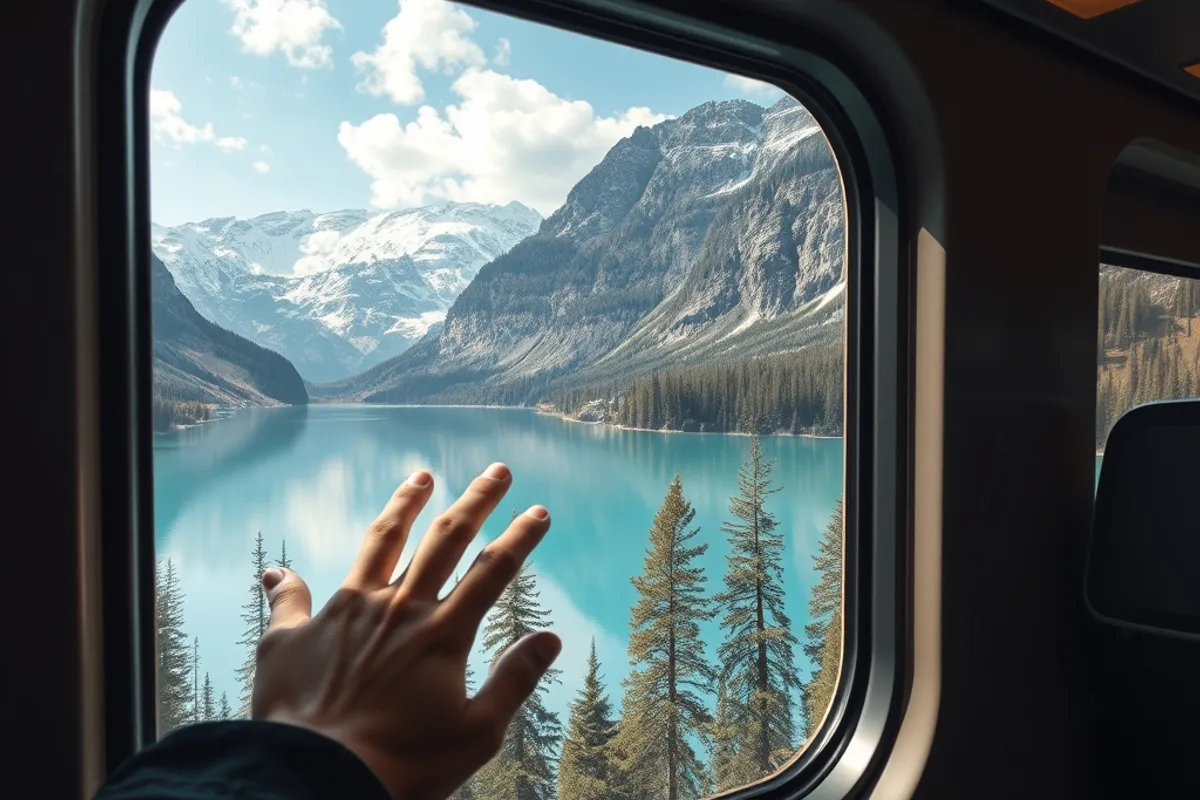
The nine routes that earn the fare
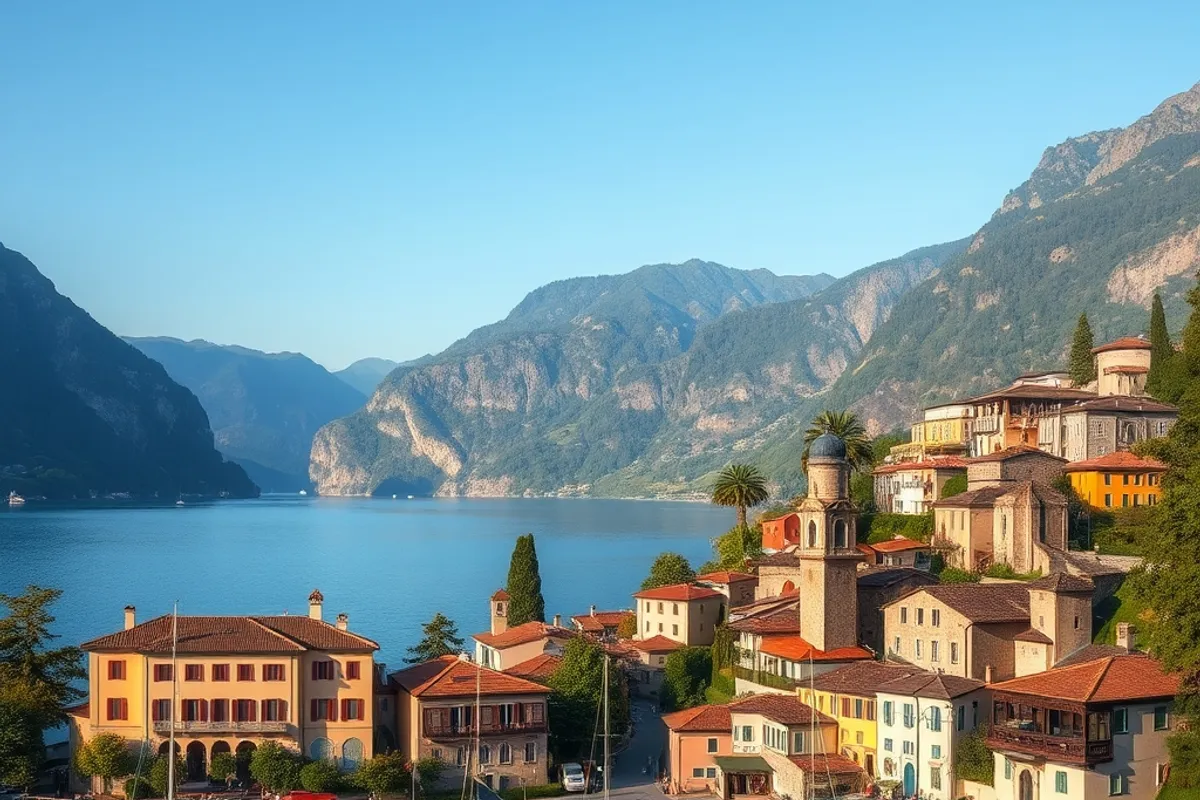
Our shortlist covers a Norwegian fjord line, two Swiss alpine crossings, a Scottish Highland route, an Italian lake-and-mountain run, a Japanese coastal railway, a Canadian mountain corridor, an Indian hill line and a slow Portuguese river route. All nine can be done independently, without a tour group.
The common thread is consistency. These are not routes with one photogenic bridge and two hours of industrial outskirts. They keep giving: a lake, then a gorge, then a village, then a pass. That density is what you are paying for, and it is why we prefer them to shorter novelty trains.
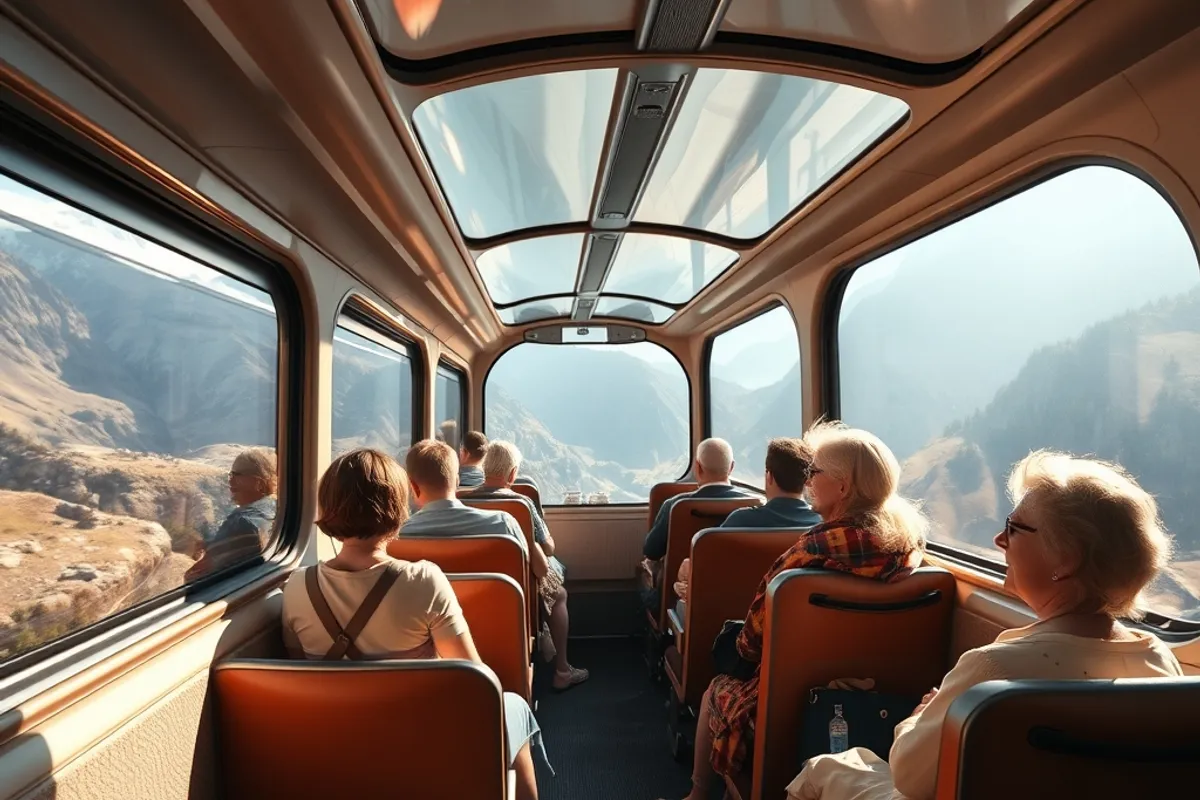
Seats, windows and the left-right question
On most reserved scenic trains you can choose a direction when booking. The right answer depends on the route: on the Flam line the best views tend to be on the left climbing and the right descending, while several Swiss panoramic cars are designed so both sides get a turn through curved glass.
If you cannot reserve a window, book a seat in the quieter carriage and move to the vestibule for the highlight sections. Standing at a clean window beats sitting behind a pillar. Bring a microfibre cloth in wet weather; condensation is the enemy of every mountain photograph.
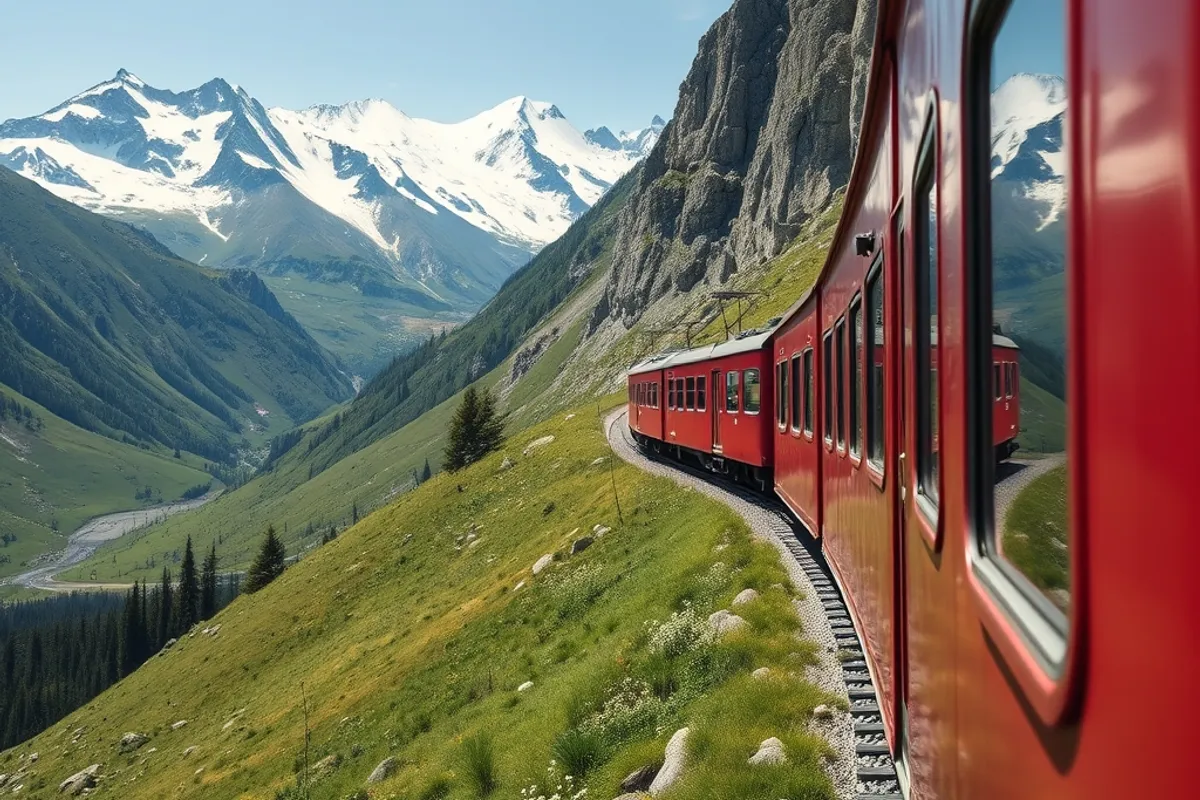
When to go: season and light
Late spring and early autumn are the sweet spot for most alpine and northern routes. Snow still sits on the peaks, the valleys are green, and the midday light is long enough to cover the whole journey. High summer brings haze, heat and the densest crowds.
Winter can be spectacular on routes designed for it, but check two things before booking: whether the line runs at all, and whether daylight covers your departure. A 10am train in December may finish in darkness, which turns the last two hours into a very expensive nap.
The view is free. The seat that lets you see it is the only upgrade worth paying for.
Tickets, passes and the premium-train trap
Many famous scenic routes share track with ordinary regional services. The Bernina line is the clearest example: the panoramic tourist train and the regular red train use the same rails, the same bridges and the same views. The regular train is cheaper and often less crowded.
Where the premium train adds real value is in seating, catering and luggage handling. Where it does not, you are paying for a name and a reservation fee. Compare the fare difference against a good meal and a taxi to your hotel, then decide whether the upgrade is worth it to you.
How to build a rail trip around one route
Treat the scenic leg as the centre of the trip, not an add-on between two cities. Stay the night before nearby, take the morning departure, and stay the night after at the far end. That way weather can ruin one attempt without ruining the holiday, and you are not dragging luggage through a four-hour highlight.
Then add one short connecting journey on each side. A lake steamer, a cable car or a village bus gives the trip variety and keeps you off the same seat for too long. The best rail holidays are three journeys, not one marathon.
Official source: seat61.com.