

Mountain environments offer a sanctuary for travelers who crave serenity. These elevated landscapes create a natural buffer from noise and haste. The stillness of the highlands nurtures the mind and supports a gentle rhythm throughout the day. Visitors find themselves drawn to the purity of the air and the unbroken views. These qualities define the essence of calm seeker retreats for anyone pursuing meaningful quiet.
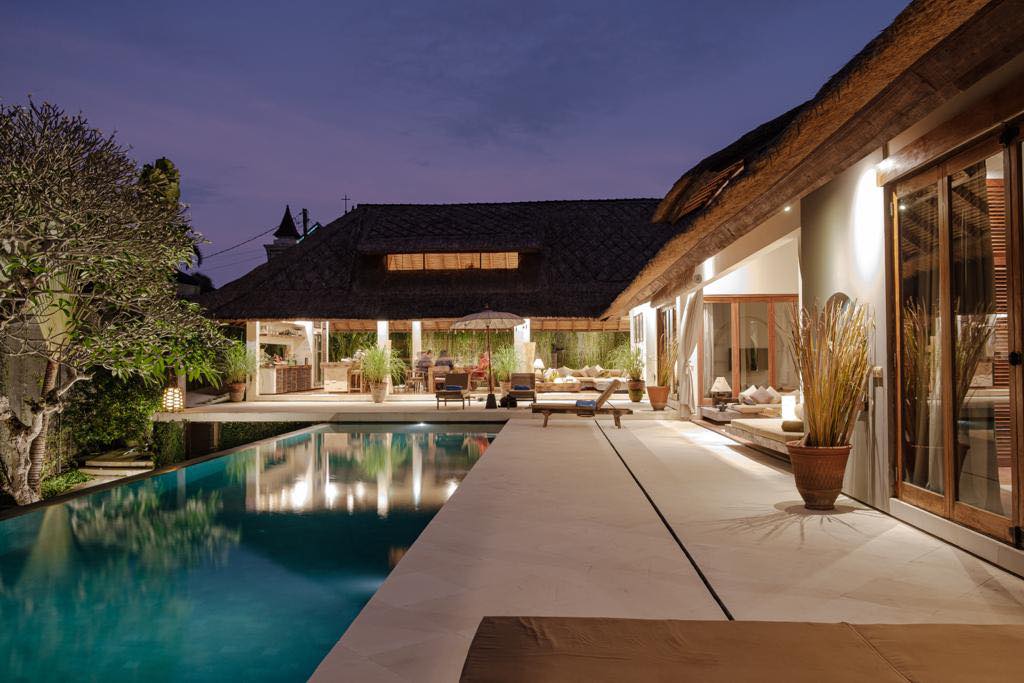
Settings That Elevate Inner Peace
Mountain retreats thrive in locations that emphasize natural order. Forests, alpine meadows and stone ridges form a harmonious backdrop. Each terrain invites steady breathing and unhurried movement. The altitude enhances clarity. Guests feel an immediate shift in mood as soon as they step outdoors.
Morning light spreads gradually across the slopes. This soft brightness sets a peaceful tone. Even brief walks around the property help visitors ease into the day without tension. The environment encourages focus. This focus deepens the sense of calm.
Many retreats integrate vantage points where guests can sit, observe and simply exist. These spaces allow moments of reflection.
Architecture Shaped for Tranquility
Structures in mountain retreats are designed with intention. Gentle lines, natural materials and open spaces contribute to a soothing atmosphere. Stone foundations support stability. Wood interiors generate warmth. Glass windows frame expansive panoramas that encourage mental quiet.
Rooms often feature minimalist arrangements. The layout removes distractions. Light flows evenly through the space. Guests can sit beside the window, absorb the grandeur of the landscape and settle into a state of ease.
Outdoor seating areas extend this experience. Terraces positioned toward sunrise or sunset create ideal settings for silent contemplation. Each architectural element works together to maintain calm.
Activities That Support Mental Clarity
Retreat programs emphasize activities that nurture inner balance. Gentle nature walks guide guests through forest trails. These paths offer moments of discovery. Small details like shifting leaves or distant bird calls enrich the walk without overwhelming the senses.
More structured options such as guided stretching sessions help visitors release tension. Breathing classes encourage steady inhalation. The purity of the mountain air enhances these practices. Guests often find themselves feeling more centered.
For those who prefer solitude, quiet reading corners or hillside benches provide a peaceful refuge. Every activity supports a slower pace.
Nourishment Designed With Simplicity
Culinary offerings in these retreats follow a clear philosophy. Ingredients come from local farms or highland gardens. Meals highlight freshness and balance. Guests enjoy dishes that complement the calming nature of the setting.
Warm broths, simple grains and herbal blends create comfort. Lighter selections like fresh greens, orchard fruits and natural teas support clarity. Dining areas positioned near panoramic windows elevate the experience. Visitors can savor each bite while watching clouds drift above distant peaks.
The atmosphere transforms meals into mindful rituals.
Wellness Practices Rooted in High Mountain Culture
Wellness programs often incorporate traditions from mountain communities. Herbal treatments use plants known for soothing properties. Mineral soaked baths provide warmth and release muscular strain. Aromatic oils derived from regional flora create a grounding effect.
Meditation rooms maintain quiet with soft lighting. Guests can sit in stillness for extended periods. Guided mindfulness sessions teach techniques for easing mental noise. Yoga platforms positioned outdoors let participants stretch while observing the horizon.
These practices combine to create a holistic environment that appeals to those searching for deep calm.
Environmental Stewardship That Protects the Peace
Mountain retreats rely on sustainability to keep the environment intact. Clean air, clear water and healthy forests are essential. Many retreats use renewable energy and responsible waste handling systems. These efforts reduce environmental impact.
Local communities contribute to conservation. They maintain trails, protect wildlife habitats and preserve cultural landscapes. Visitors support this work by choosing retreats that prioritize ecological care.
The result is a stable environment where natural tranquility remains untouched.
A Haven Built for Those Who Crave Stillness
Mountain retreats designed for calm seekers offer a rare combination of clarity, purity and gentle rhythm. Guests reconnect with themselves through quiet mornings, thoughtful architecture and meaningful activities. The landscape supports deep reflection.
These retreats shape experiences that continue long after the stay ends. They provide a foundation for balanced living and renewed perspective.
About the Author


