

Traveling unveils more than landscapes and monuments; it opens doors to the narratives that shape communities. Cultural tours provide a pathway to understanding the experiences, values, and heritage that define a place. From the first interaction, travelers embark on a journey of real story exploration, discovering perspectives and traditions that are rarely captured in guidebooks or online articles. These authentic encounters transform travel into an immersive and enlightening adventure.
Immersive Engagement With Local Life
Cultural tours encourage travelers to step beyond sightseeing and immerse themselves in daily routines. Markets buzzing with activity, artisan workshops alive with creation, and community kitchens filled with culinary tradition all reveal the intricate rhythms of life. Observing and participating in these settings allows visitors to witness the persistence of heritage and the creativity that sustains it.
Participatory experiences elevate the journey. Rolling dough for traditional bread, learning a folk dance, or assisting with handmade crafts deepens the connection to culture. These hands-on engagements transform observations into lived experiences, offering insights that cannot be gained from photos or descriptions alone.
Festivals and Ceremonial Traditions
Festivals offer a spectacular lens through which to experience cultural vibrancy. Colorful costumes, rhythmic music, and coordinated movement provide both aesthetic delight and cultural understanding. Each dance, chant, or procession carries symbolism and meaning passed down through generations.
Cultural tours often include detailed explanations of these ceremonies, revealing the historical and social significance behind every element. Travelers learn how rituals honor ancestors, celebrate natural cycles, or reinforce community bonds. Witnessing such events firsthand allows for profound appreciation of the traditions that continue to define societies today.
Culinary Journeys That Reveal Stories
Cuisine is a cultural narrative in edible form. Recipes reflect the geography, history, and values of a community. Participating in cooking classes or sampling local specialties gives travelers insight into how flavors, ingredients, and preparation methods convey heritage.
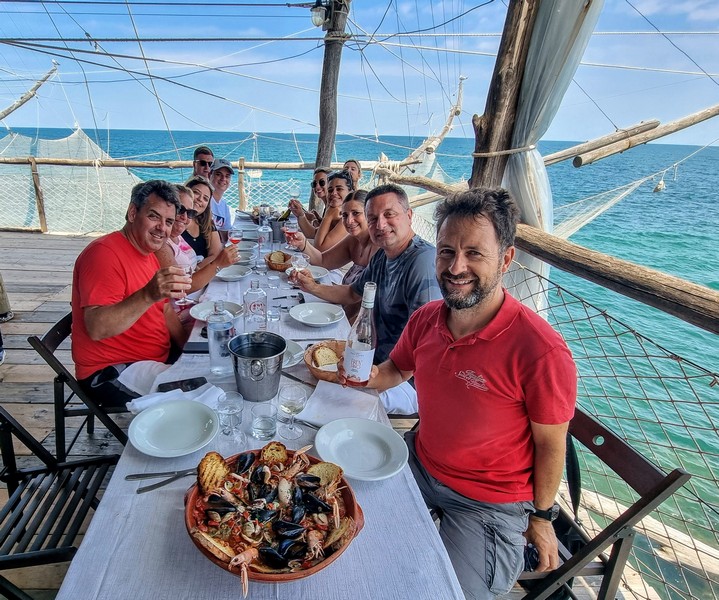
Shared meals create connection. Dining with local families or joining communal cooking sessions fosters dialogue and exchange. Conversations over a simmering pot or freshly baked bread reveal anecdotes, family histories, and cultural philosophy. Food becomes more than nourishment; it becomes a medium for storytelling and understanding.
Artistic Traditions That Capture Identity
Art preserves collective memory and personal expression. From textiles and pottery to music and visual arts, creative works tell stories of resilience, innovation, and cultural pride. Cultural tours that include artisan visits or performance attendance allow travelers to witness creativity in action.
Learning the significance of motifs, colors, and techniques illuminates the depth of cultural expression. Observing the meticulous craftsmanship behind each piece highlights the dedication required to preserve tradition. These encounters create appreciation for the enduring role of art in connecting past and present.
Language and Oral Histories
Language is an essential vessel for cultural knowledge. Folktales, proverbs, and oral histories convey moral guidance, social norms, and collective memory. Listening to these narratives during village visits, guided tours, or storytelling sessions provides a nuanced understanding of local life.
Even minimal engagement with the language fosters connection. Asking questions, exchanging greetings, or learning basic phrases demonstrates respect and curiosity. Travelers gain access to stories that might otherwise remain untold, deepening both cultural understanding and personal reflection.
Environmental Context and Cultural Practices
Communities often develop practices intimately linked to their surroundings. Agricultural methods, architectural styles, and rituals frequently reflect adaptation to climate, terrain, and seasonal cycles. Cultural tours highlight these connections, showing how traditions are rooted in the natural environment.
Understanding the interplay between culture and nature offers travelers insight into sustainable practices and long-standing ecological wisdom. Observing how communities honor and utilize their environment enhances appreciation for the creativity and resilience inherent in cultural systems.
Meaningful Interactions and Personal Growth
The essence of cultural tours lies in interpersonal engagement. Conversations with local guides, artisans, and elders reveal perspectives that cannot be accessed through observation alone. These exchanges provide personal insights and foster empathy.
Active participation encourages reflection. Travelers often develop broader worldviews, a deeper appreciation for diversity, and increased adaptability. The skills, perspectives, and stories gained extend beyond travel, influencing everyday life and future interactions.
Preserving Cultural Integrity Through Respectful Travel
Engaging with culture requires respect for local customs, traditions, and boundaries. Thoughtful observation, polite inquiry, and adherence to community practices ensure that cultural tours remain mutually beneficial. Travelers who approach these experiences with humility often gain access to more intimate, authentic encounters, enriching the journey and leaving a positive impact on host communities.
Conclusion
Cultural tours are a gateway to understanding the depth and richness of human experience. They offer access to festivals, cuisine, art, language, and environmental practices that collectively tell the story of a community. Through real story exploration, travelers uncover narratives that reveal resilience, identity, and creativity.
By engaging fully—observing, participating, and conversing—travelers transform a simple trip into a tapestry of meaningful experiences. These stories linger in memory, shaping perspectives and fostering a lasting appreciation for the diversity and richness of cultures worldwide.
About the Author


