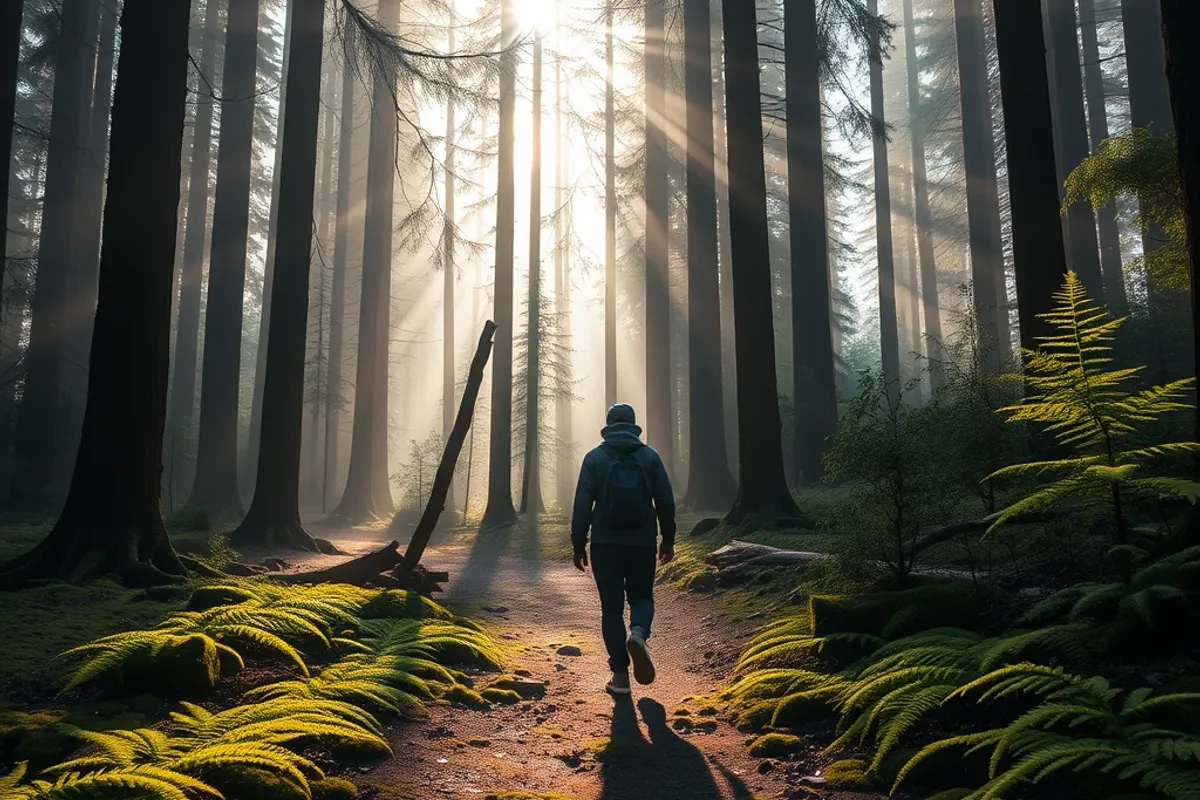
Forest bathing sounds like a marketing phrase invented for brochures. It is actually a Japanese practice, shinrin-yoku, developed in the 1980s as a public health response to urban stress. The instruction is simple: walk slowly, breathe, notice, and leave the phone behind.
Retreats now package it with guided sessions, breathing work and lodge meals. Some are excellent. Others are a walk in the woods with a premium price. We explain what the practice involves and what a good retreat should include.
Key facts
- A typical guided session lasts two to three hours and covers less than two kilometres.
- Research suggests modest reductions in stress markers, but studies are small and often short.
- The guide matters more than the forest: look for training in mindfulness, ecology or forest therapy.
- Waterproof layers and insect protection are part of the kit, not an afterthought.
- A day retreat is enough to learn the practice; a weekend is enough to feel rested.
What shinrin-yoku actually is
Shinrin-yoku translates roughly as forest bathing, and it is not exercise. There is no summit, no distance goal and no pace. The practice is a sequence of slow, guided invitations to notice what is around you: the temperature, the smell of the soil, the sound of the canopy, the way the light moves.
A session usually begins with a breathing exercise and a slow walk, then moves through seated or standing activities. You might spend ten minutes watching a single tree, or lie on the ground looking up. It feels strange for the first twenty minutes and natural after that.
What the evidence shows
Studies on forest bathing report modest reductions in blood pressure, heart rate and self-reported stress after time in woodland. Some also look at immune markers. The direction of the findings is encouraging, but the studies are often small, short and difficult to separate from the effects of walking, quiet and time away from work.
That does not make the practice worthless. It makes it a low-risk, pleasant activity with plausible benefits. Treat it as a way to rest and pay attention, not as a treatment for a medical condition. If you have a health concern, talk to a clinician, not a retreat brochure.
A typical retreat day
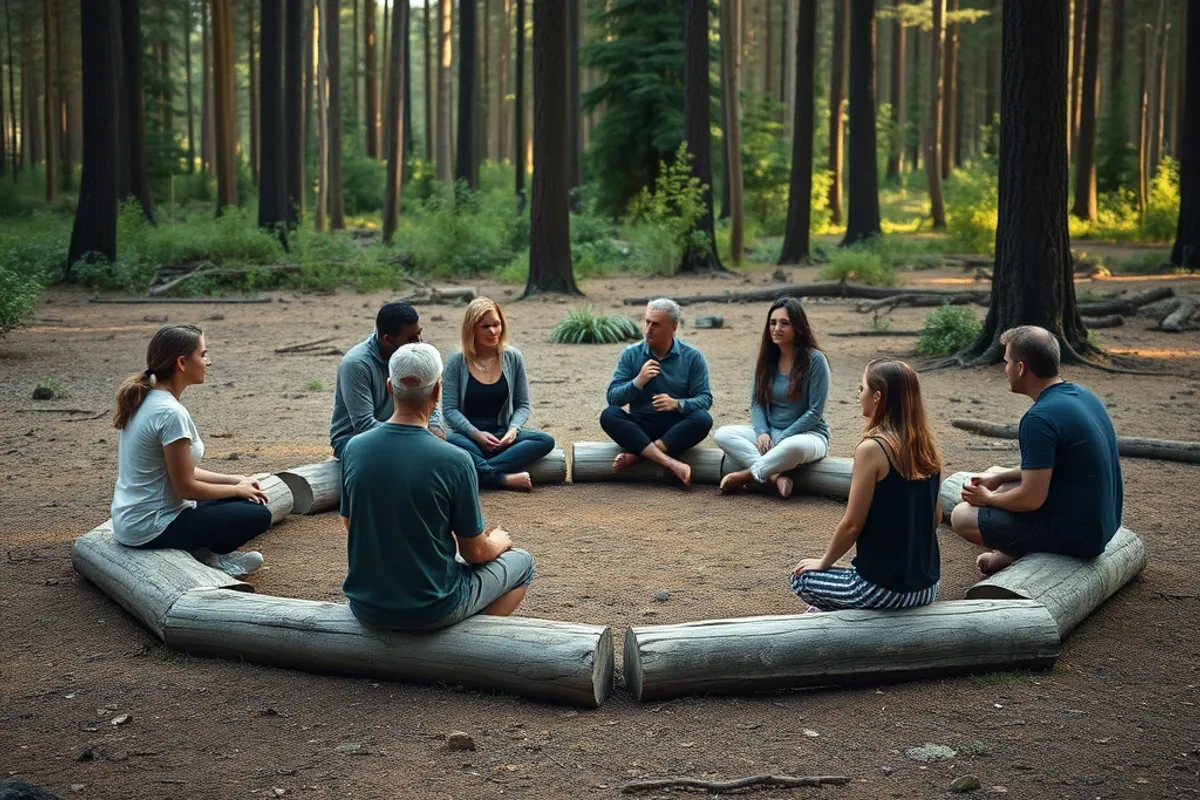
A day retreat often starts with tea and an introduction, followed by a two-hour guided walk with stops. Lunch is usually simple and local. The afternoon may include another short session, a quiet period and a closing circle where people share what they noticed.
A residential weekend adds an evening meal, a night in a lodge and a morning session. The best programmes leave space between activities. A schedule packed with workshops, yoga, cold plunges and journaling is not forest bathing; it is a conference with trees.
Choosing a guide
Ask about the guide's training. Forest therapy has formal certification programmes, and some guides also hold qualifications in ecology, counselling or outdoor education. Experience with the local habitat matters too: a guide who can name the trees and explain the season adds a lot.
Ask about group size and terrain. Eight to twelve people is a good group for a guided walk; twenty is a crowd. The route should be short, gentle and accessible to most people, with a clear plan for rain. A guide who cannot describe the route is not ready to lead you into it.
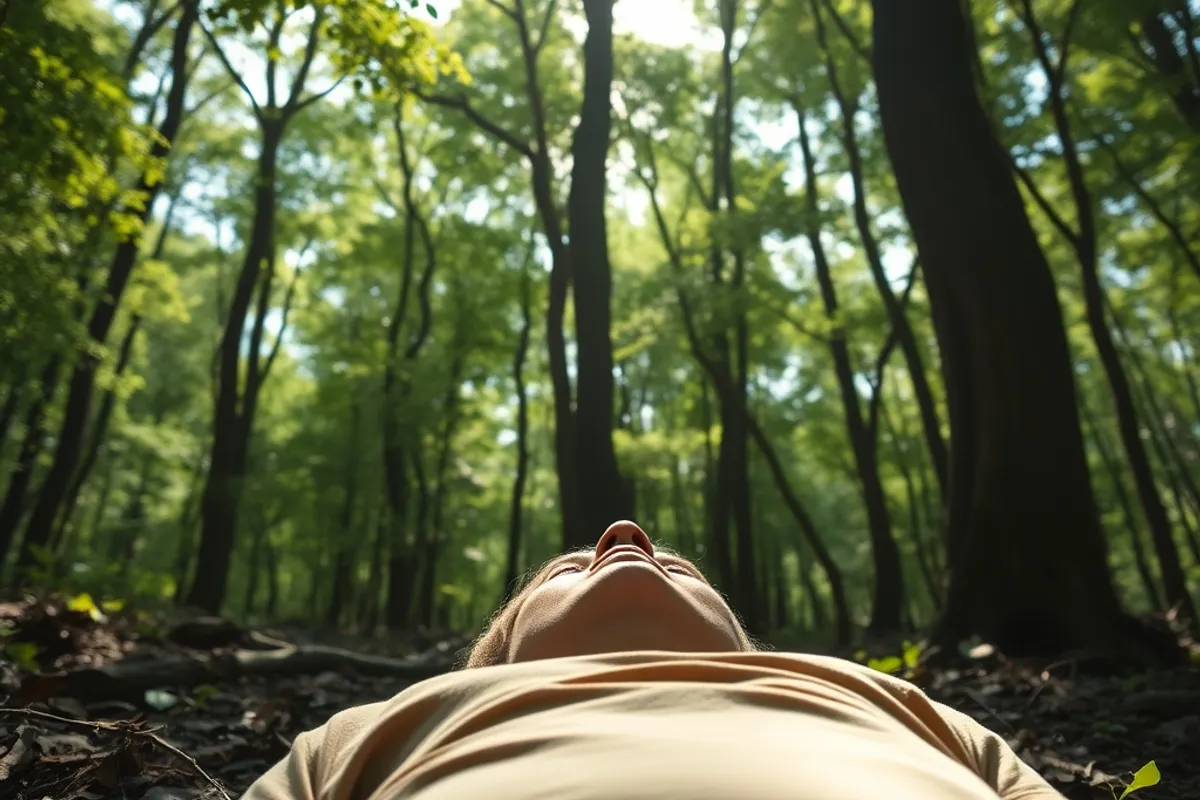
The forest is not a treatment. It is a place where the pace is set for you.
Lodges and the setting
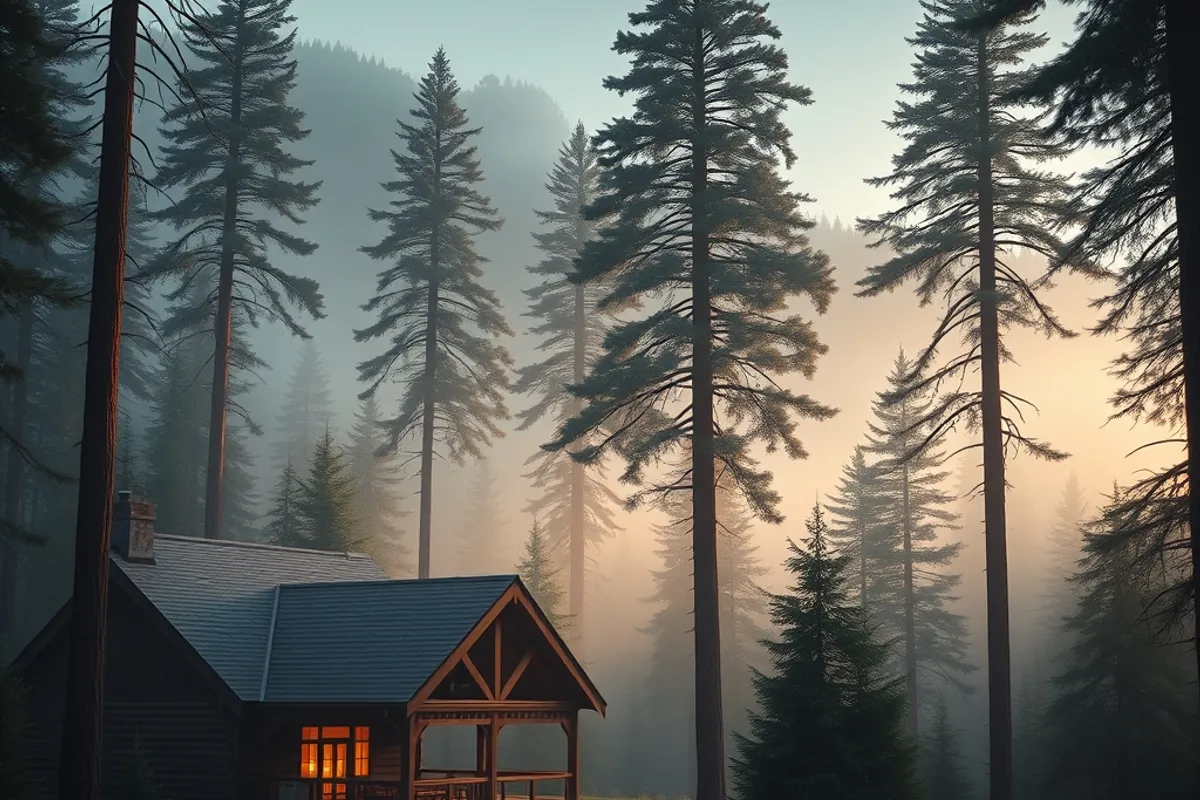
The setting does most of the work. A lodge at the edge of a mature forest, with a quiet garden and no road noise, gives the practice room to breathe. A hotel beside a motorway with a row of ornamental trees is not the same experience, however good the spa.
Check the practical details: walking distance from the room to the trail, waterproof footwear, insect protection in summer, and whether the lodge has a quiet space for the evening. Ask if the forest is protected or managed for timber, and whether the retreat has a relationship with the landowner.
Doing it yourself
You do not need a retreat to try forest bathing. Choose a familiar woodland, leave your phone in your bag, and walk for an hour at half your normal pace. Stop every ten minutes, sit if you can, and focus on one sense at a time. End with a few minutes of stillness before you leave.
The practice is portable. A city park at dawn, a riverside path or a stand of trees at the edge of town can work. What matters is the slowness and the attention, not the postcode. The retreat is a useful introduction; the habit is the real reward.
Official source: fs.usda.gov.