
Wellness has become the most elastic word in hotel marketing. It can mean a genuine programme with assessments, therapists and follow-up, or a pool with a lavender diffuser and a supplement shop.
The difference matters because wellness breaks are sold as outcomes: better sleep, less stress, a reset. We look at what the menu actually includes, what evidence sits behind it, and how to spend a wellness budget without buying a feeling.
Key facts
- A spa access fee and a treatment menu are not the same as a structured wellness programme.
- Sleep programmes should include a room check, light control and a follow-up, not just blackout curtains.
- Ask who delivers treatments and what training they hold; regulation varies widely by country.
- Alcohol-free and low-caffeine options are a better signal of intent than a long wine list.
- Three nights is the practical minimum for a reset; one-night spa breaks rarely change sleep.
What wellness actually means at a hotel
At its best, a wellness hotel offers a structured break from the habits that make you tired: late screens, alcohol, caffeine, sitting still and eating at odd hours. The programme gives you a reason to walk, sleep and eat at consistent times, and staff who notice when you do not.
At its worst, the word describes a pool, a robe and an upsell. That is not a con; a pool and a robe are pleasant. It is simply a spa break, and it should be priced as one. The confusion comes when the marketing promises a health outcome and the property delivers an afternoon.
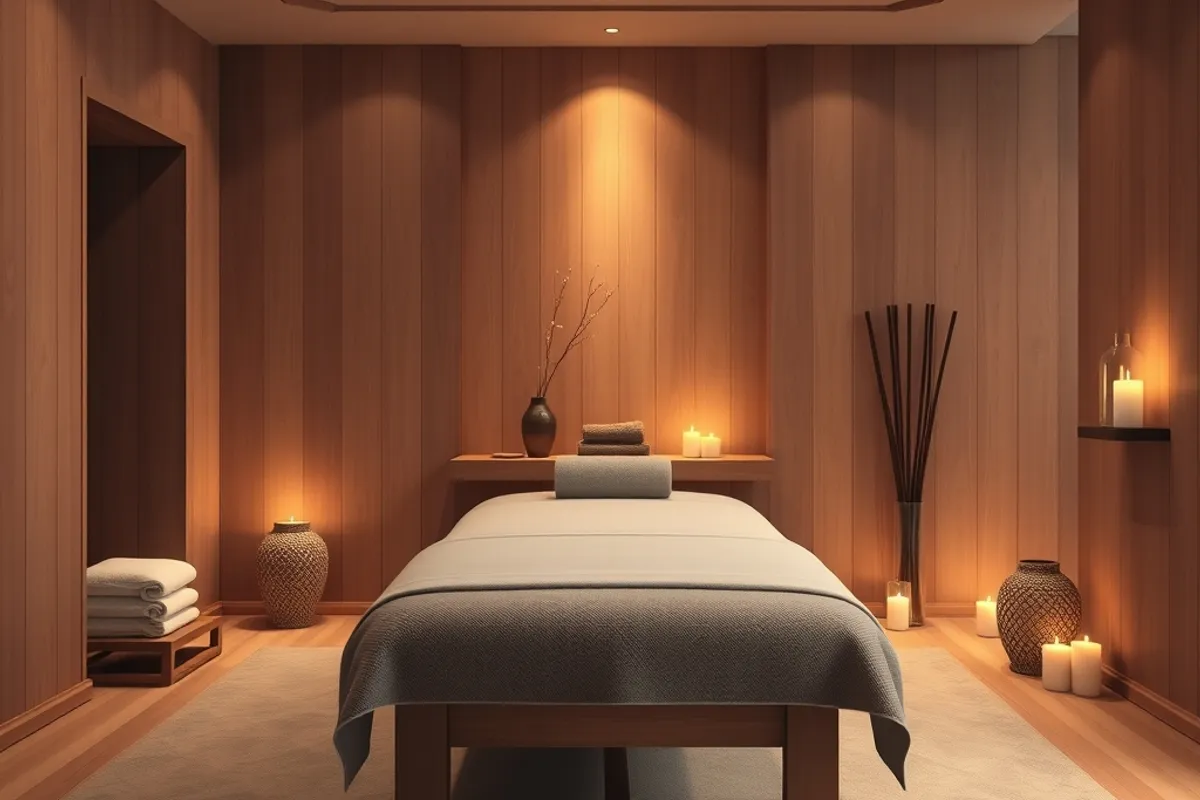
Reading the menu like a programme
A real programme names the assessment, the number of sessions and who delivers them. It tells you what happens on arrival, what is included each day, and what follow-up you get when you leave. A menu of treatments is a list of things you can buy, not a plan.
Look for specifics: a sleep consultation, a movement screen, a guided walk, a cooking session, a breathwork class with a named teacher. Vague phrases such as 'restore your balance' are not lies, but they are not information either. Ask what you will actually do between 9am and 5pm.
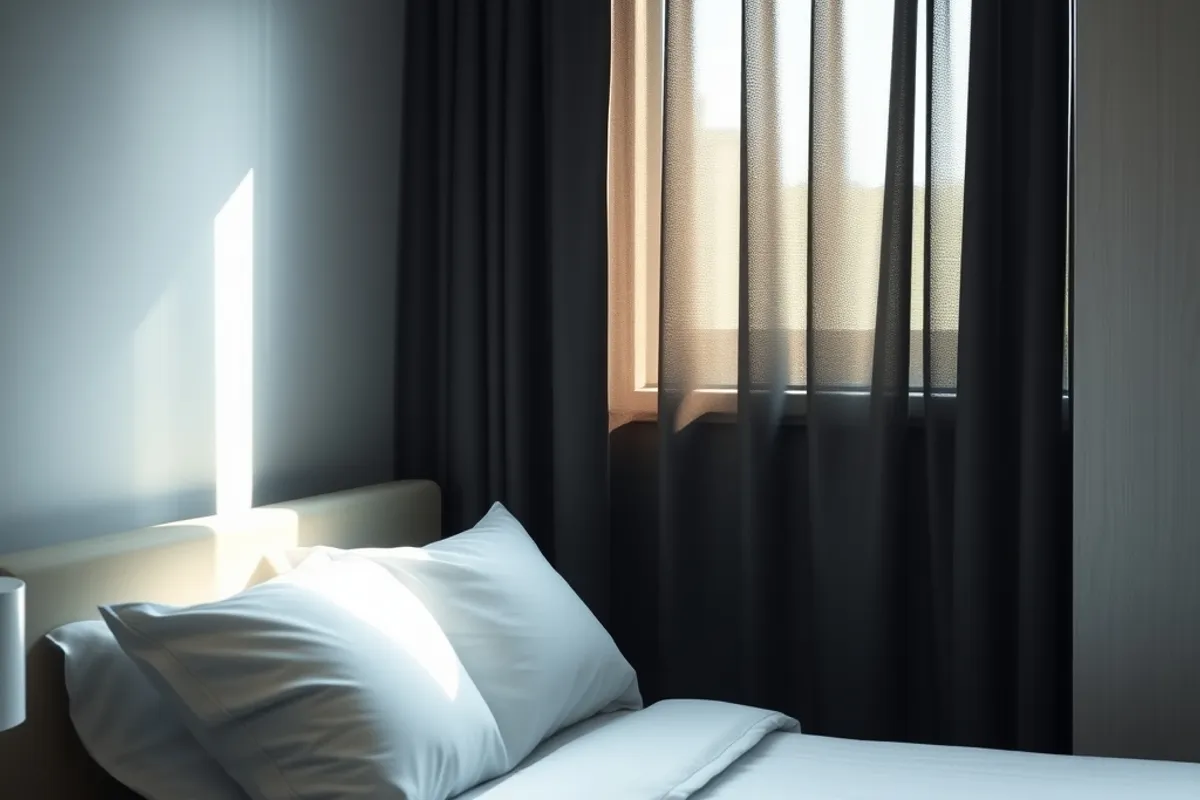
Sleep programmes that are more than curtains
Sleep is the most credible wellness claim and the easiest to fake. Blackout curtains and a pillow menu are a start, but a genuine programme looks at light exposure, room temperature, noise, caffeine timing and bedtime routine. It may include a short assessment and a follow-up conversation.
Ask whether the room has a thermometer you can read, whether the heating or cooling can run overnight, and whether the hotel is quiet after 10pm. A beautiful room beside a late bar is not a sleep room. The best sleep hotels are boring in the right way.
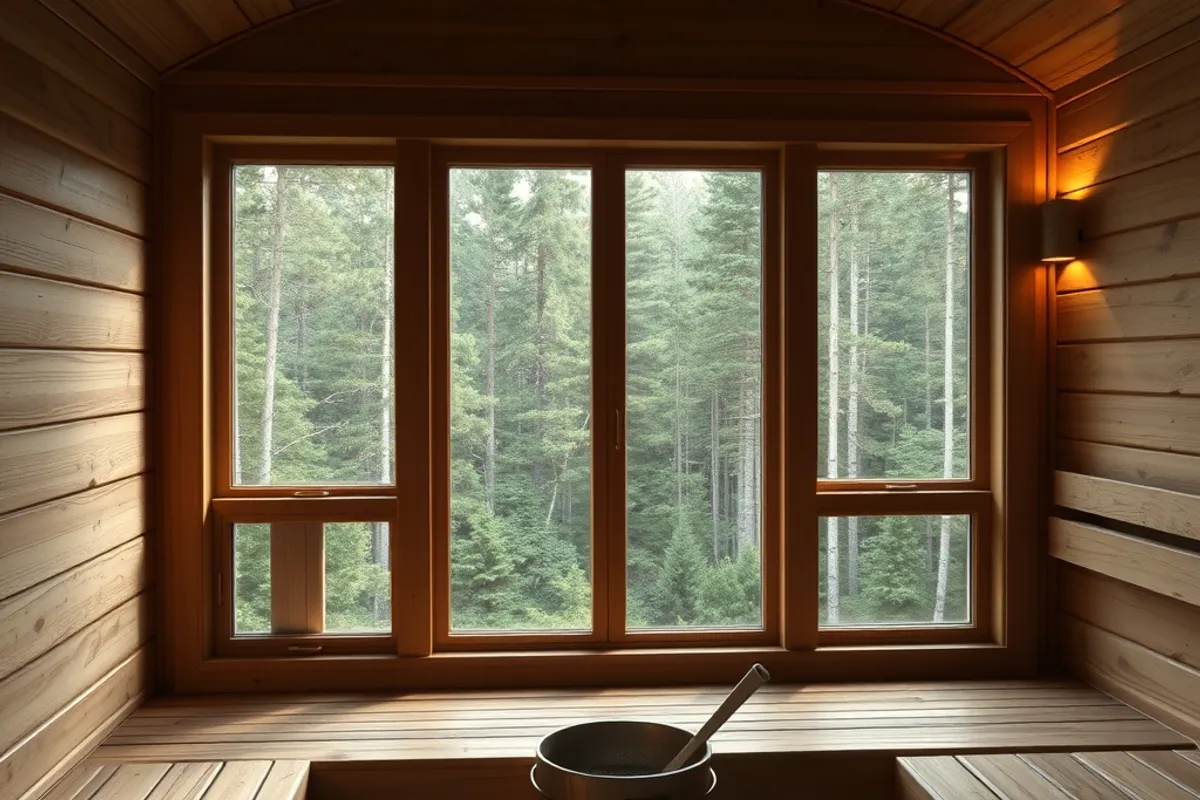
Thermal suites, saunas and spa etiquette
A good thermal suite is simple: clean showers, a sauna that reaches temperature, a quiet rest area and clear guidance on time limits. You do not need a choreographed journey through twelve rooms. You need heat, cold, rest and water, in an order that suits you.
Etiquette matters more than equipment. Ask about swimwear rules, towel provision, phone policy and whether the sauna is mixed or single-sex. A spa that explains these clearly at booking is usually a spa that runs well. One that leaves you guessing at the door is not.
A spa changes your evening. A good wellness programme changes your week.
Food, alcohol and the honesty test
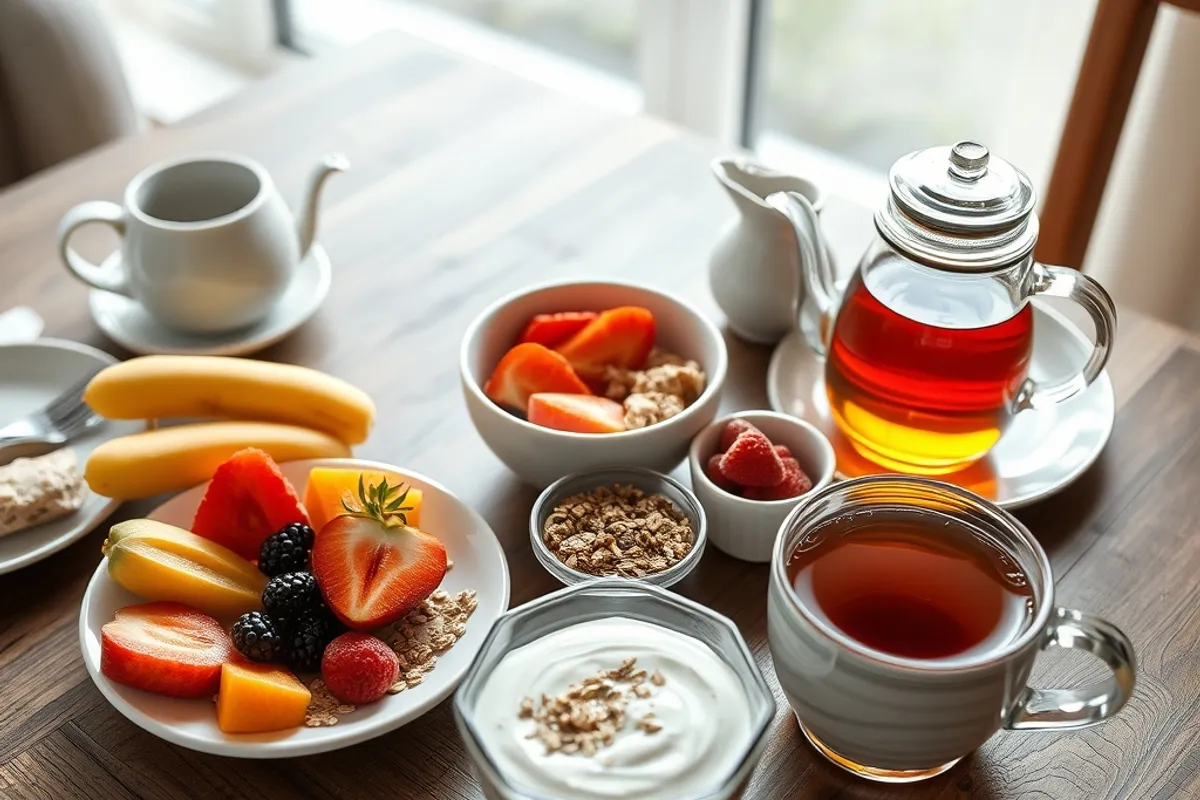
Food is where wellness claims are easiest to check. A menu that supports the programme will have vegetables, whole grains, legumes and fruit in normal portions, not a token salad beside a heavy main. It will also tell you where the food comes from and how it is cooked.
Alcohol is the honesty test. A hotel can serve wine and still run a good wellness programme, but it should not market a detox while promoting a cocktail hour. Look for alcohol-free options that are actually enjoyable, not just sparkling water with a garnish. The same goes for caffeine after lunch.
Choosing and budgeting
Set a budget for the whole stay, including treatments, and compare what is included rather than the headline room rate. A package with meals, classes and one treatment can be better value than a cheaper room where everything is extra. Check the cancellation policy before you commit to a multi-night programme.
Then match the programme to your goal. If you want to sleep, book a quiet room and a sleep consultation. If you want to move, book walking or yoga. If you want a treat, book the spa and enjoy it without expecting a transformation. The right break is the one that does what it says on the page.
Official source: globalwellnessinstitute.org.