An African safari and a Costa Rican wildlife trip are often compared as if they were the same holiday with different animals. They are different rhythms: one is open landscape and large mammals, the other is dense forest and close-range biodiversity.
We compare them on sightings, cost, comfort, logistics and the physical demands of each. Neither wins outright. The choice depends on whether you want one unforgettable hour with a lion or a week of small discoveries.
Key facts
- A typical East African safari is 6 to 10 days; a Costa Rica wildlife route is usually 10 to 14.
- Peak safari season in East Africa is the dry months, roughly January to March and June to October.
- Costa Rica's dry season runs December to April on the Pacific side; the Caribbean is wetter year-round.
- Park fees, guides and internal flights are the largest variable costs in both trips.
- Costa Rica suits mixed interests; safari suits travellers focused on large mammals.
The shape of each trip
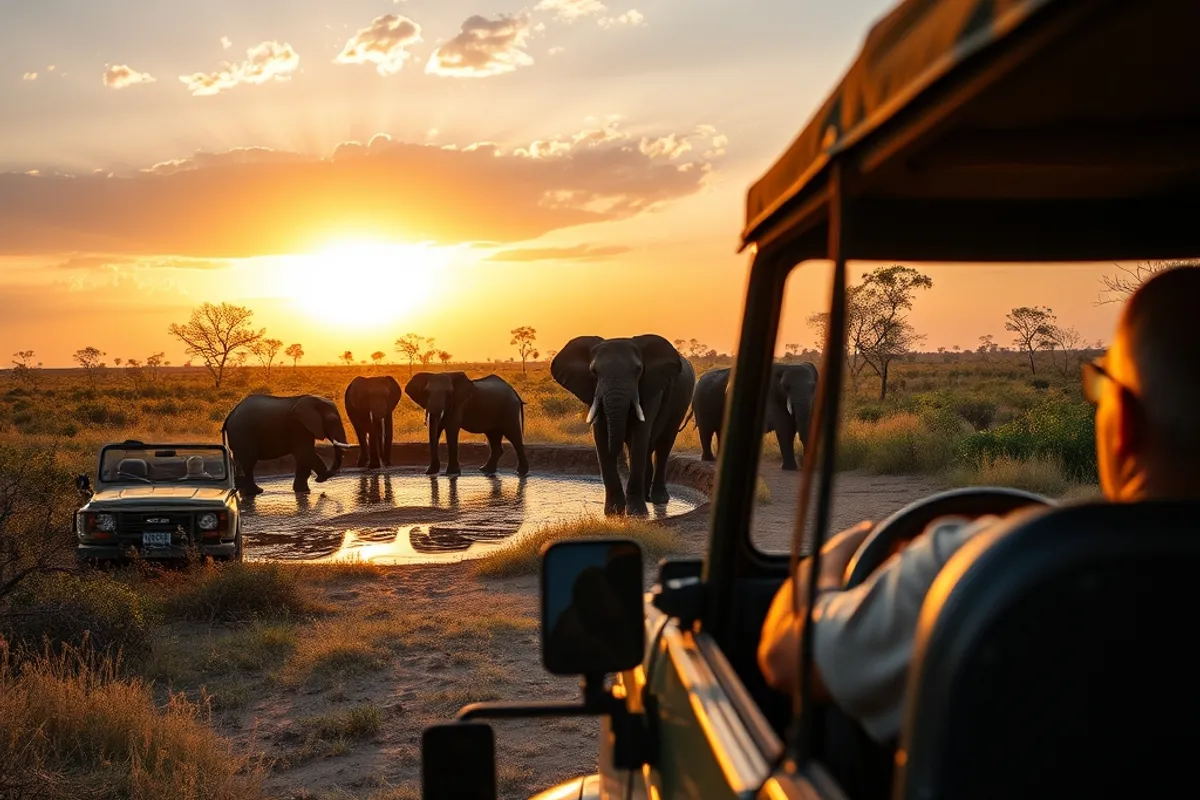
A safari is built around game drives: early morning and late afternoon, with a long rest in the middle of the day. You stay in one or two camps and the landscape changes around you. The rhythm is slow, hot and repetitive in a way that rewards patience.
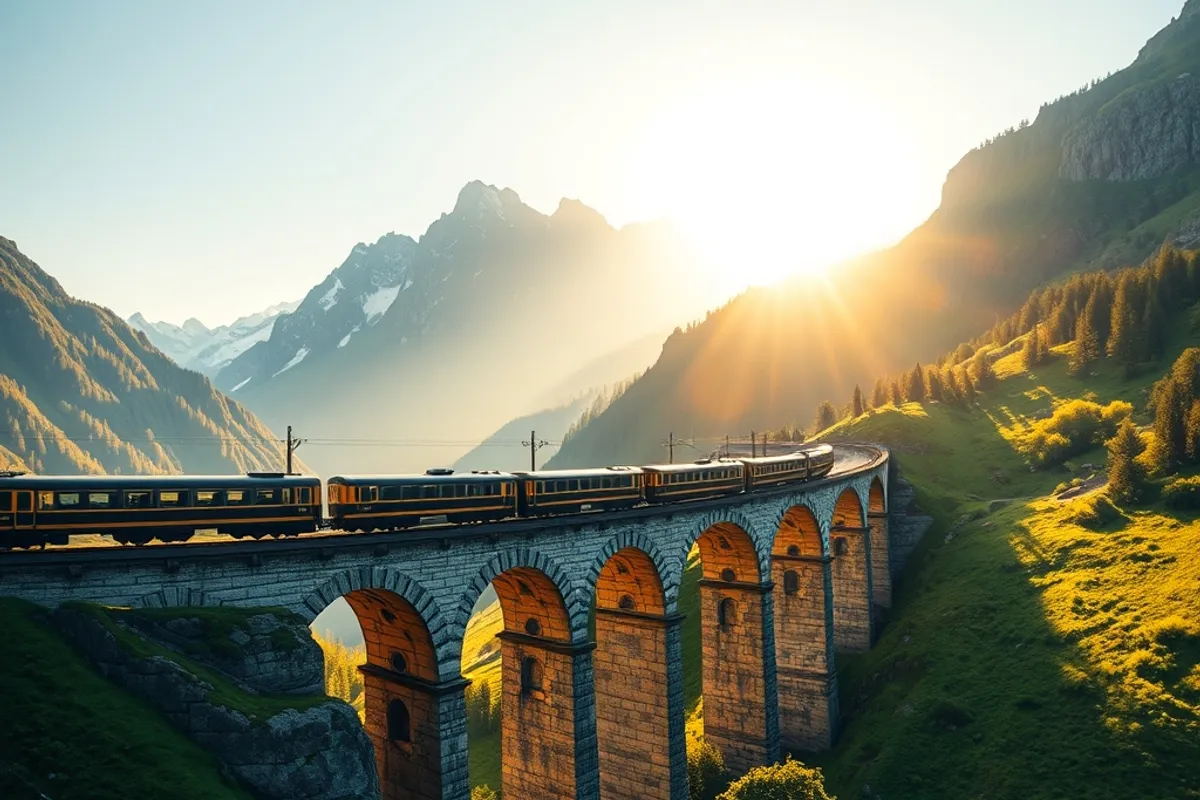
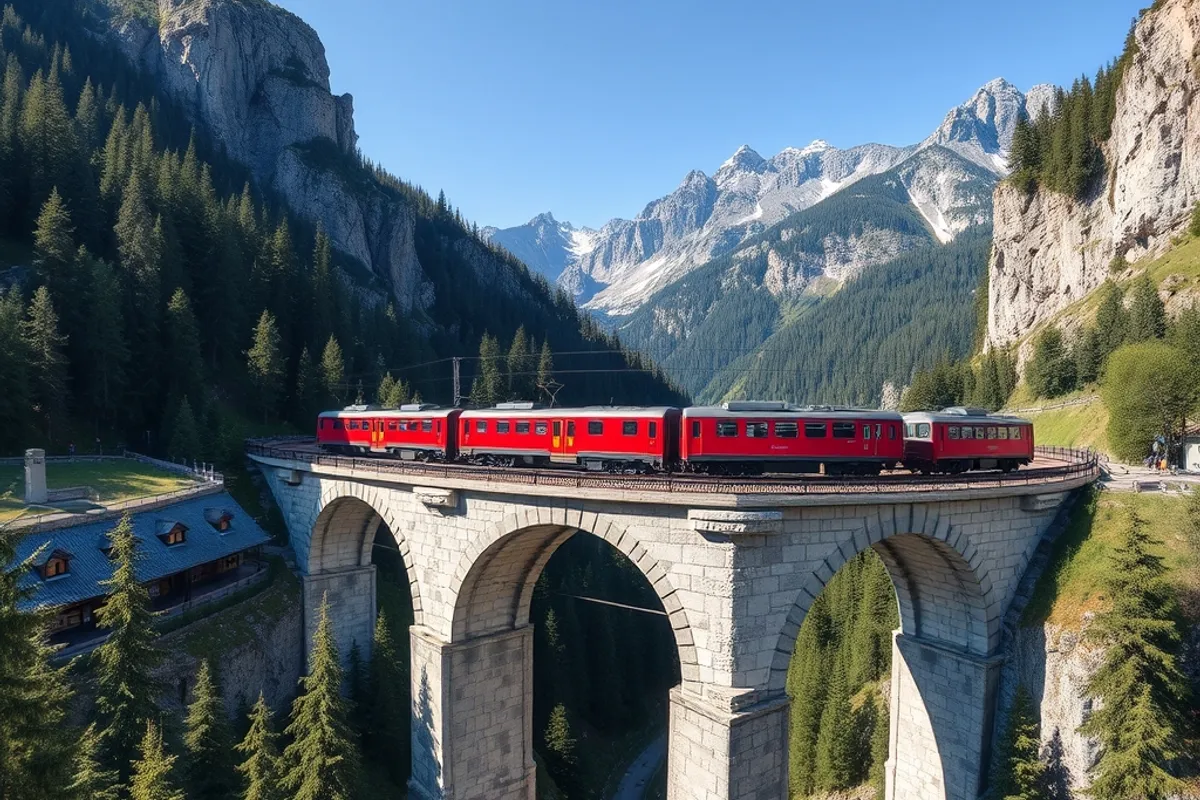
Costa Rica is built around movement: cloud forest, volcano, Pacific coast, Caribbean wetland. You change lodge every few days and the wildlife is smaller, closer and more varied. The rhythm is active, humid and full of early starts. It suits travellers who like to keep moving.
Wildlife and the quality of sightings
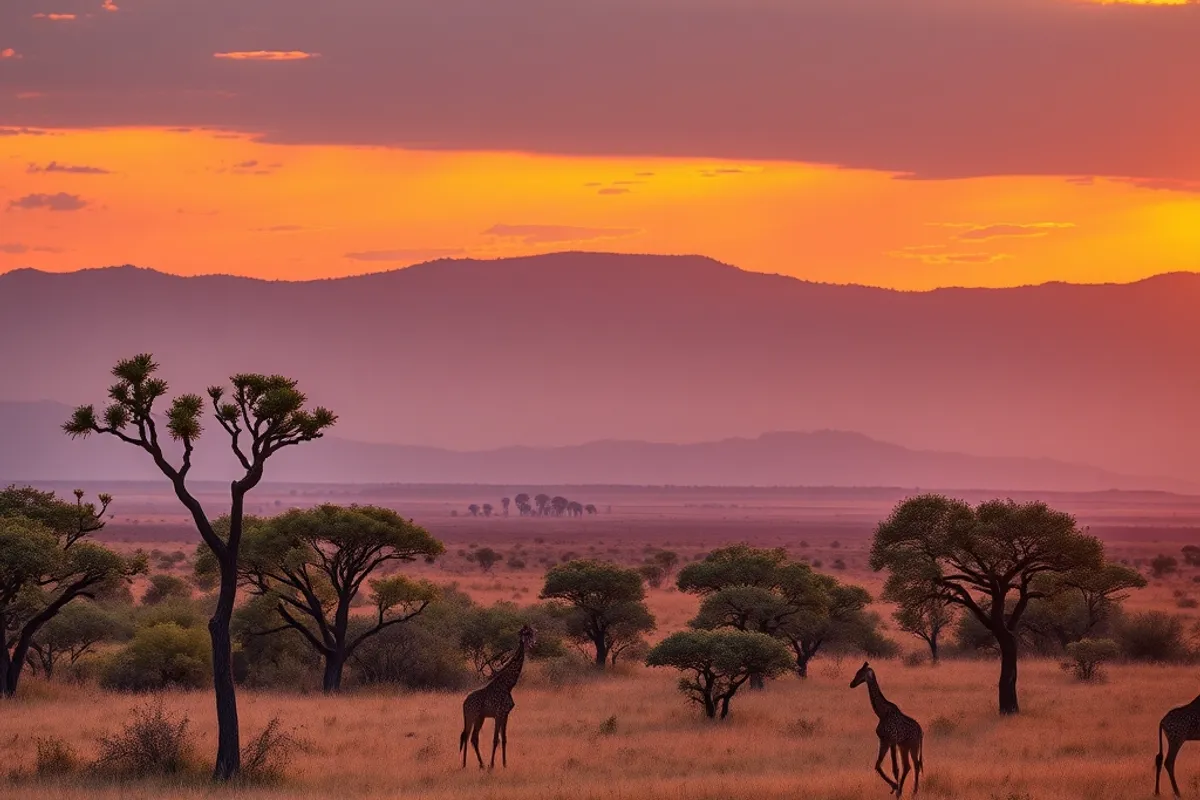
A safari delivers large mammals at close range: elephants, lions, giraffes, buffalo. When it is good, it is unforgettable. When it is quiet, you may drive for hours and see tracks. The emotional highs are enormous and unevenly distributed.
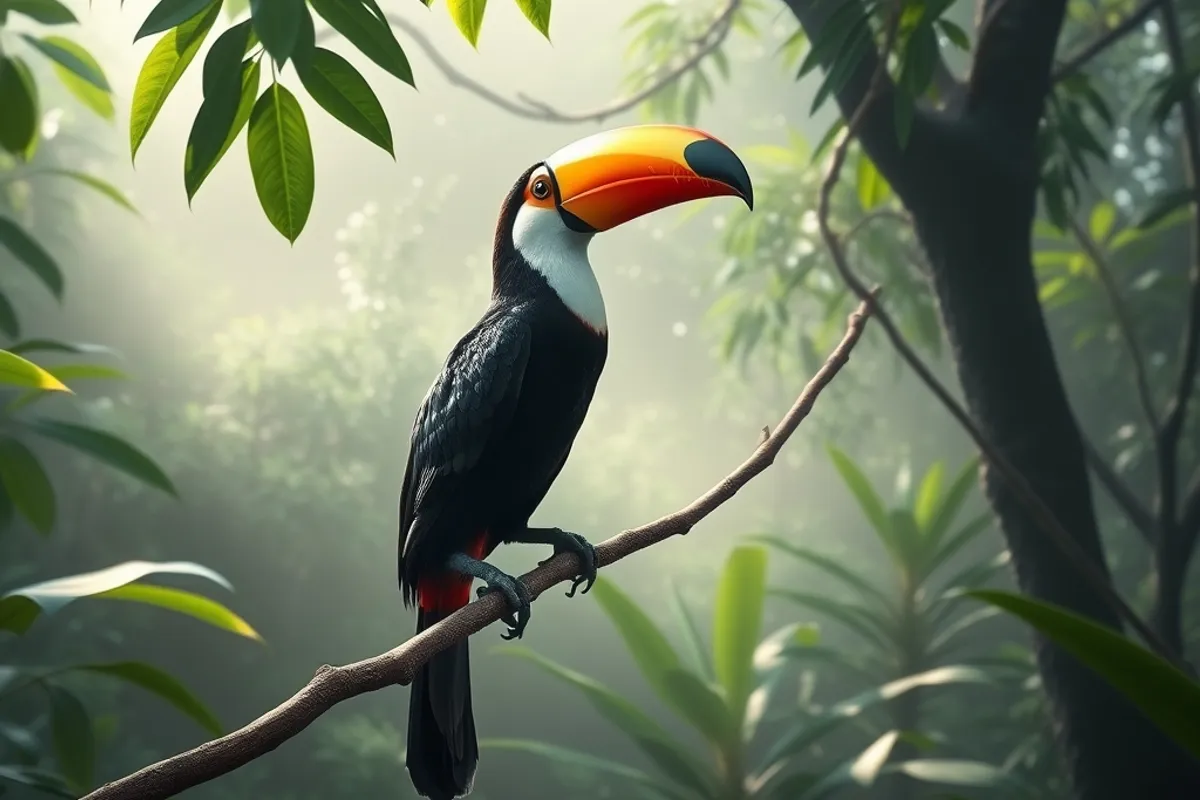
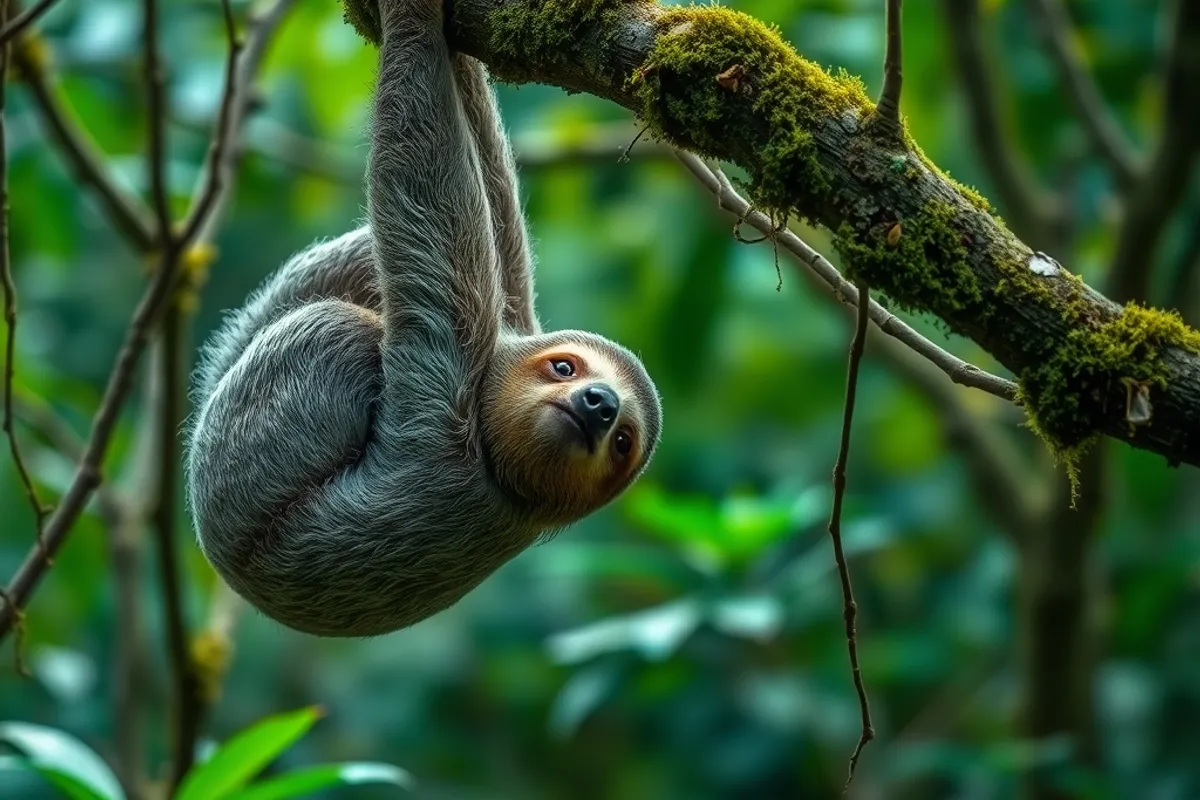
Costa Rica delivers volume: toucans, sloths, monkeys, frogs, butterflies, and if you are lucky, a tapir or a jaguar track. Most sightings are through binoculars or a guide's scope. The pleasure is in noticing, not in drama. If you want a checklist of species, Costa Rica wins easily.
Cost and what drives it
A safari's cost is concentrated in park fees, guiding, vehicle and camp. A mid-range East African trip can run several hundred dollars per person per day, and peak-season lodges push higher. Cheaper group camping safaris exist and can be good value, but comfort and privacy drop sharply.
Costa Rica spreads the cost across transport, lodges and entry fees. It can be done on a moderate budget with buses and guesthouses, or at the top end with eco-lodges and private guides. Internal flights and park permits add up. In both places, the guide is the line item you should not cut.
Comfort, health and logistics
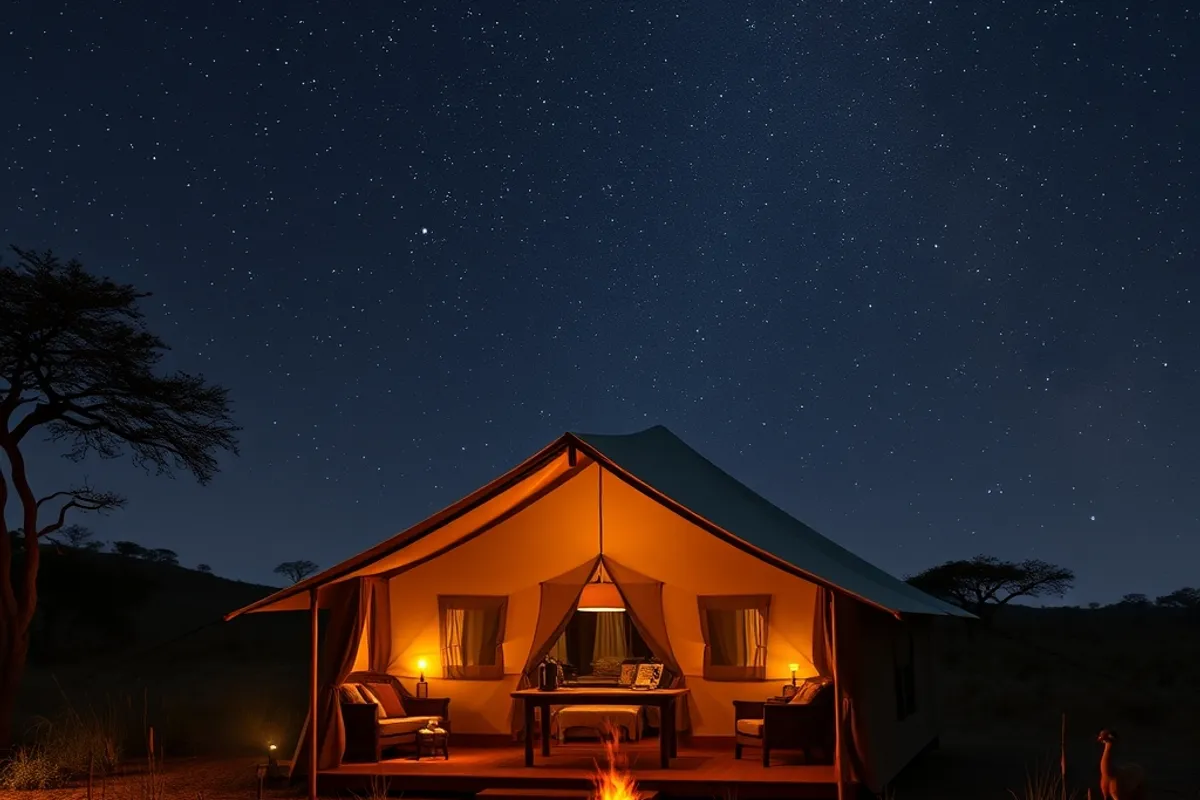
Safari camps range from tented luxury to simple bandas. Days are dusty, hot and early. Roads can be rough, and light aircraft transfer luggage limits are strict. Health precautions matter: malaria tablets in some areas, yellow fever certificates for certain routes, and good travel insurance.
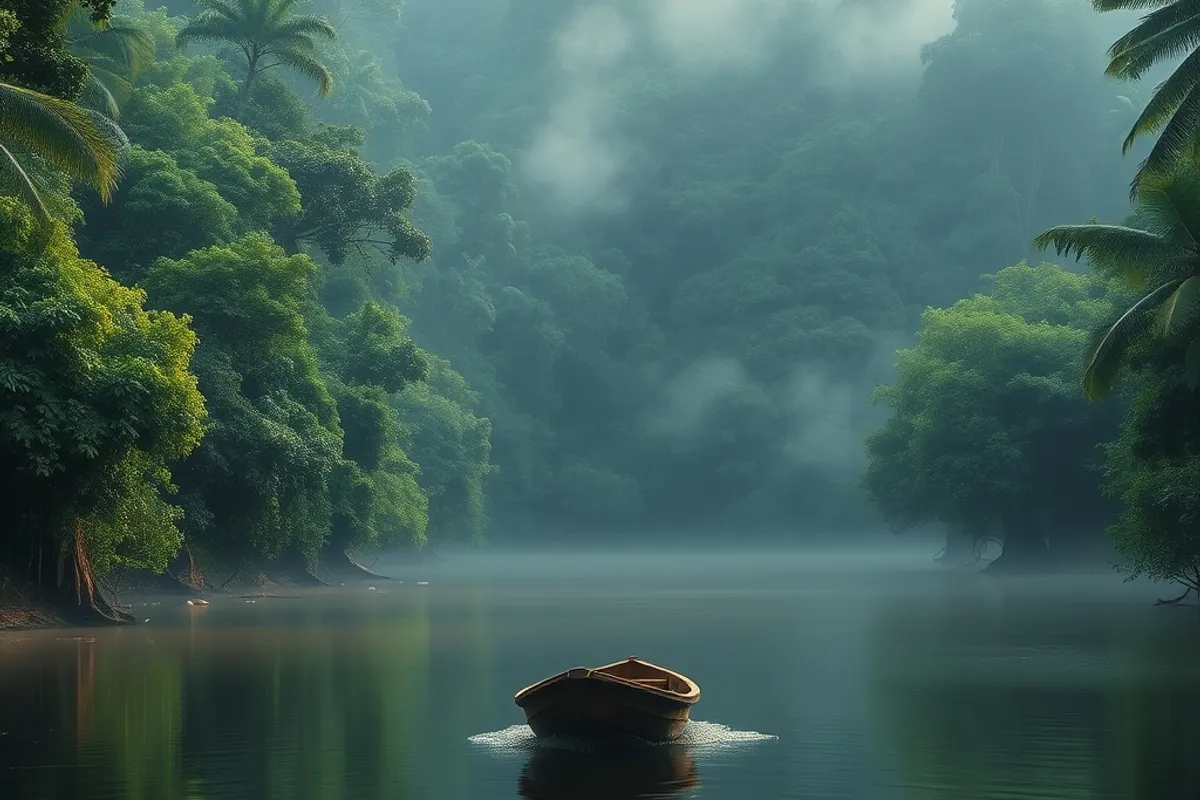
Costa Rica is easier logistically: paved roads, short distances, good healthcare and a well-developed tourism network. The challenges are rain, mud and humidity. Pack quick-dry clothing and decent footwear. If you have mobility issues, Costa Rica is the more adaptable of the two.
A safari gives you a story. Costa Rica gives you a hundred small ones.
Seasons and timing
East Africa's dry seasons concentrate animals around water and thin the vegetation, which makes sightings easier. The trade-off is crowds and higher prices. The green season brings rain, lush scenery, fewer people and lower rates, but some tracks become impassable.
Costa Rica's Pacific dry season, December to April, is the classic window. The green season, May to November, is cheaper and still good for wildlife, with afternoon rain and quieter trails. The Caribbean side is wetter year-round and has its own rhythm. Neither trip is ruined by rain, but both are better with the right expectations.
Which trip suits you
Choose a safari if large mammals are the reason you travel, you are comfortable with early starts and dust, and you want one landscape to reveal itself over several days. Choose Costa Rica if you want variety, easier logistics and a mix of forest, coast and wildlife with a guide who can find small things.
If you can, do both, but not in the same year. They are expensive, physically different and best appreciated separately. Whichever you pick, book the guide first and the lodge second. The person beside you in the vehicle decides what you see.
Official source: unwto.org.