Wildlife tourism is one of the few forms of travel that can pay for the habitat it depends on. It is also one of the easiest to sell badly: a boat that chases dolphins, a sanctuary that lets visitors hold cubs, a jeep that leaves the track for a closer photograph.
The good operators are not hard to identify once you know what to look for. These are the questions we ask before booking, the red flags that end the conversation, and the trips where your money does more than buy a photograph.
Key facts
- Distance rules exist for a reason: many countries require 100 metres from whales and 20 to 30 metres from many land animals.
- Any experience that allows handling, riding or feeding wild animals deserves scepticism.
- Ask what share of the fee reaches conservation or the local community, and ask for a number.
- Small group sizes reduce disturbance and usually improve sightings.
- The best seasons follow animal behaviour, not school holidays.
The basic principles
Wildlife tourism works when the animal's behaviour comes first. That means keeping distance, staying quiet, never feeding, and accepting that a sighting may not happen. The best guides will end an encounter early if the animal shows stress, even if the guests have paid for a longer trip.
The second principle is that money should stay close to the place. Local guides, local lodges and local conservation levies keep the incentive to protect habitat. A trip that flies in everything except the animals creates revenue without creating stewardship.
Red flags that end the conversation
Any experience that lets you touch, hold, ride or feed a wild animal is a warning. A genuine sanctuary may allow visitors to see rescued animals, but it will not pass a cub around for photos. If the animal is awake, available and posed, ask what happened to its mother.
Other red flags: vehicles that leave designated tracks, boats that cut in front of whales, guides who promise a sighting, and itineraries that stack three activities into a morning. Wildlife is not a schedule. A packed itinerary usually means pressure on the animals.
Questions that get real answers
Ask who owns the company, where the guides are from, and how long they have worked in the area. Ask what happens if an animal approaches the vehicle or boat, and who decides when to leave. The answer should describe a protocol, not a policy of maximum guest satisfaction.
Then ask about conservation. Which organisation receives the levy, how much per guest, and what it funds? A good operator will have a specific answer. A vague answer is not necessarily dishonest, but it is a reason to look elsewhere.
Safaris and guided land trips
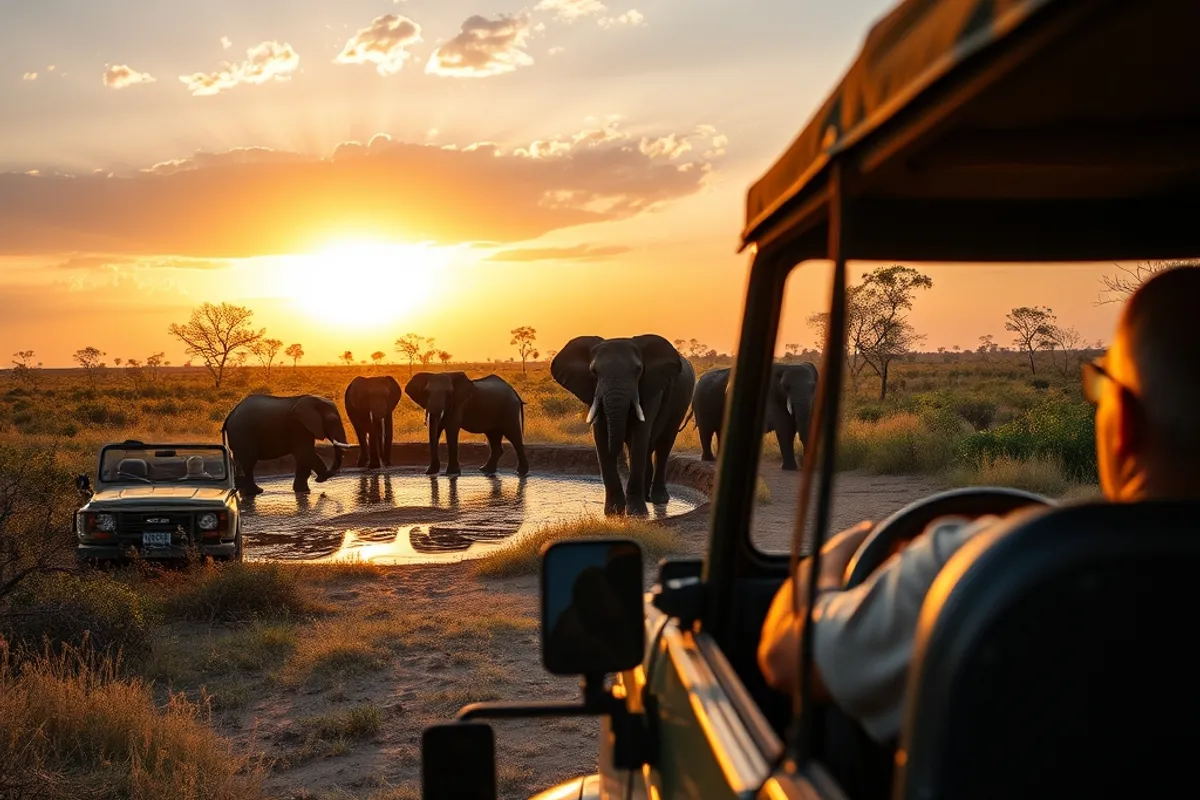
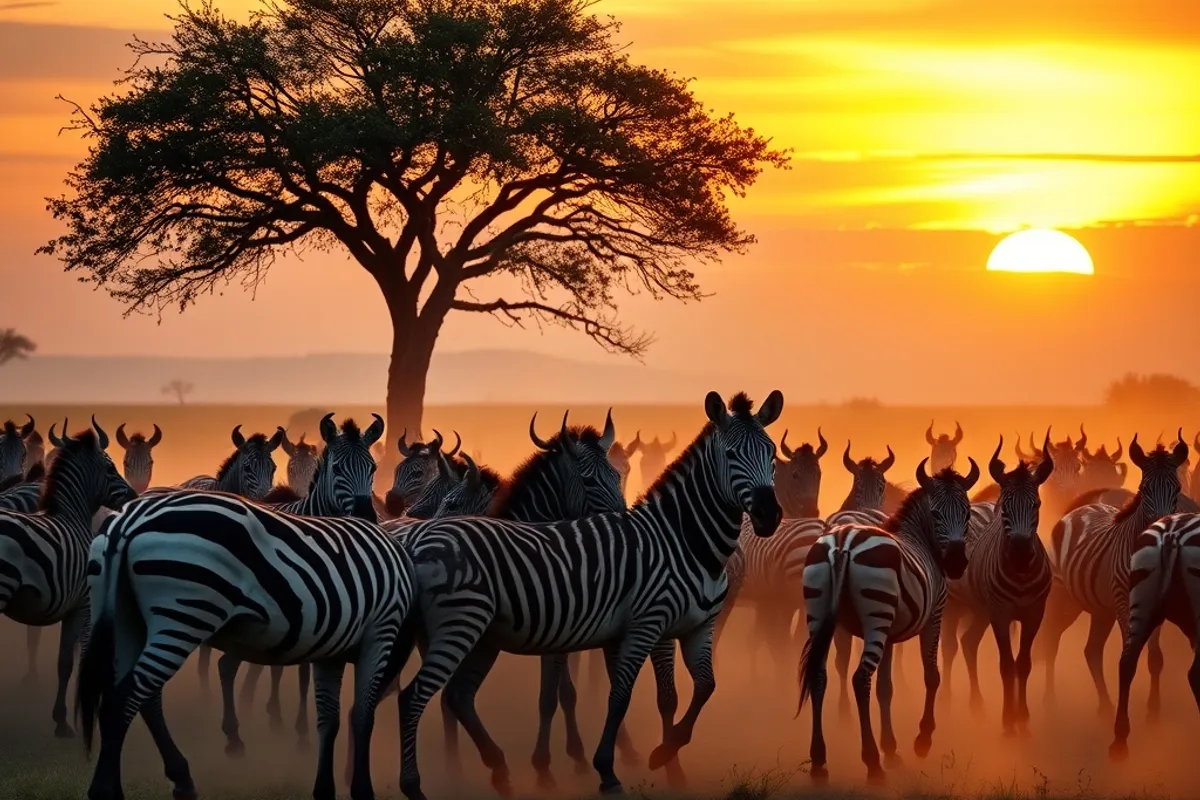
On a safari, the vehicle is the boundary. A good guide keeps a respectful distance, turns off the engine, and lets the animal choose the encounter. Off-road driving damages habitat and stresses wildlife, and it is illegal in many parks. Ask before you book whether off-road driving is part of the product.
Group size matters more than vehicle type. Six guests in one vehicle is a conversation; twelve in three vehicles converging on a lion is a traffic jam. Small groups cost more per person and are worth it. They also tend to produce better sightings, because animals stay calm.
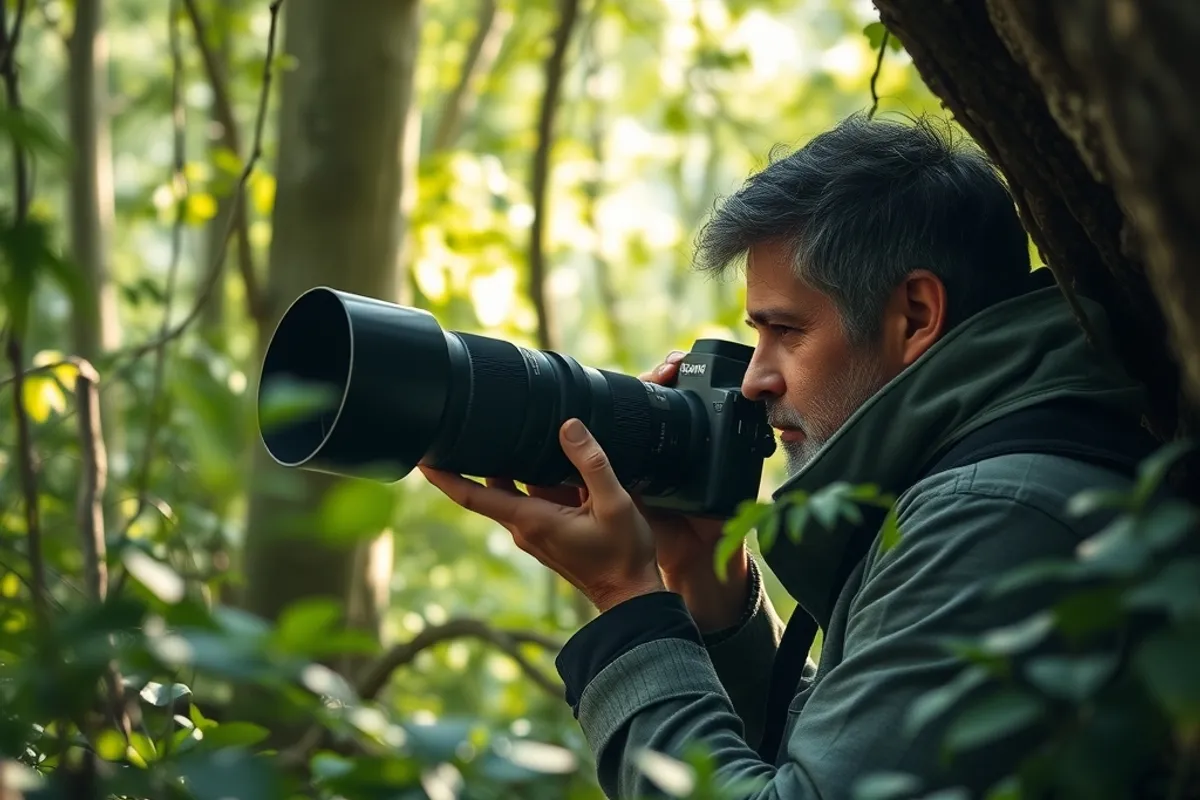
A good wildlife operator will happily lose your booking to protect the animal.
Marine wildlife and the distance rule
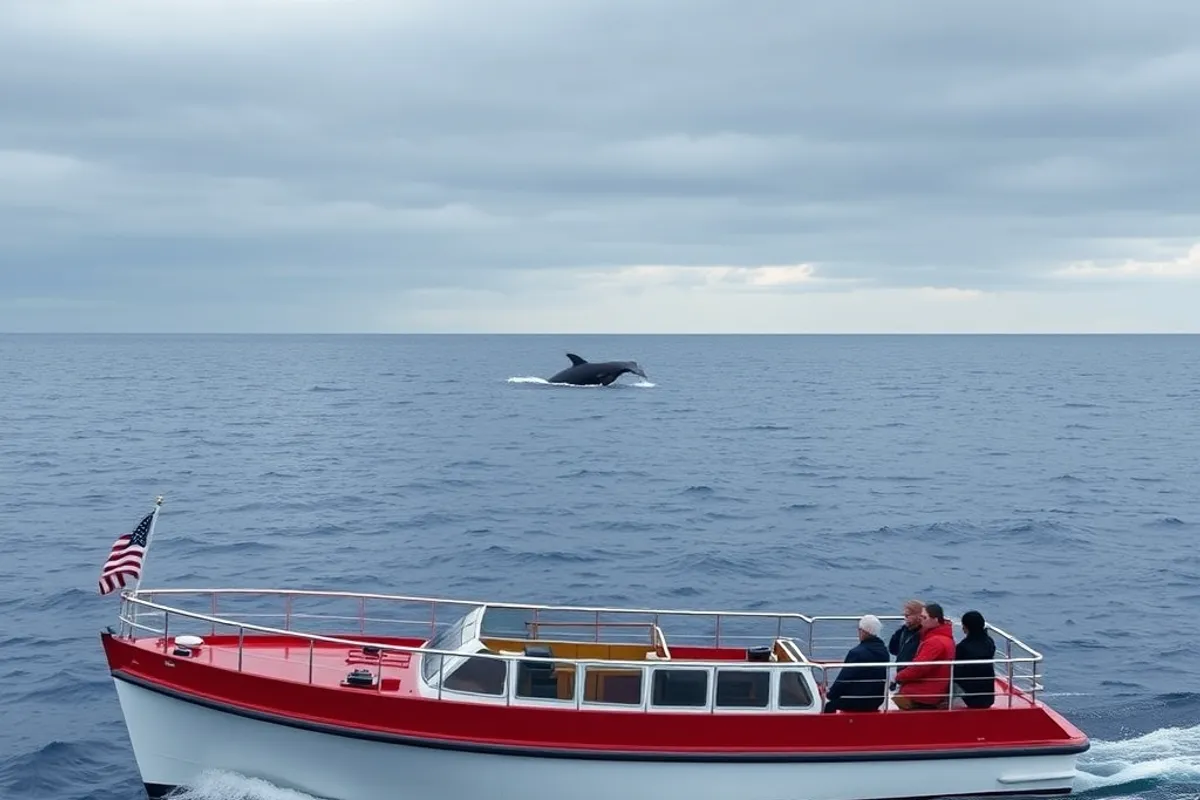
Marine wildlife is harder to regulate because the animals move and the boats follow. Many destinations set a minimum distance, often around 100 metres for whales, and restrict the number of boats around a single animal. Ask what the local rule is and whether the operator follows it.
If a boat accelerates toward a pod or cuts across its path, the trip is over as an ethical proposition, whatever the photographs show. Choose operators with a spotter, a naturalist on board and a policy of leaving first. The best whale trips are often the quietest.
Money, conservation and the long game
Conservation is not free, and tourism can pay for it. Park fees, guiding levies and lodge contributions fund rangers, anti-poaching teams and habitat restoration. Ask how the money flows, and prefer operators who publish a figure rather than a paragraph.
You do not have to be an expert to make a better choice. Avoid hands-on animal experiences, keep your distance, book small groups and ask where the money goes. Those four decisions remove most of the harm from a wildlife holiday and leave the good part intact.
Official source: iucn.org.