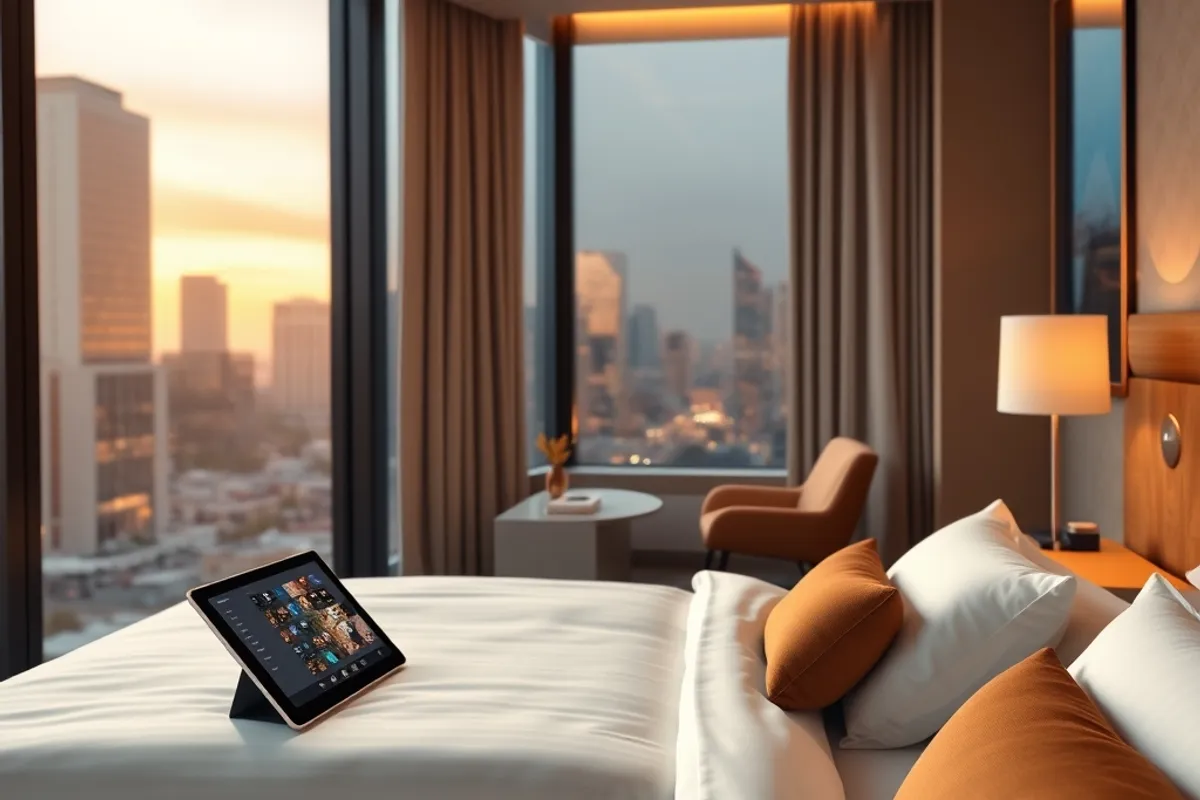
Hotel technology has settled into a pattern: a tablet that controls the lights, a QR code instead of a menu, an app key that works on the second attempt. Some of it saves time. Much of it moves work from the staff to the guest.
We stayed in eight tech-forward properties across three countries and kept notes on what actually improved the stay. The useful features were rarely the ones in the marketing photographs.
Key facts
- App-based keys fail most often when the phone is in low-power mode or the hotel Wi-Fi drops.
- Voice assistants in rooms are usually disabled for privacy; ask at check-in if you want one off.
- Smart thermostats that reset when you leave can leave the room humid in lake climates.
- A physical light switch remains the fastest interface in a dark room.
- Ask whether room sensors record presence and how long data is retained.
The promise and the reality
The pitch is seamless: your phone is the key, the room knows you, the lights and temperature are already right. In practice, the seamless version requires an app, an account, a stable connection and a charged phone. Each extra dependency is another thing that can fail at midnight.
None of this makes hotel technology pointless. It makes the good and bad versions easier to separate. The good versions remove a queue or a phone call. The bad versions replace a switch with a menu.
Keys, check-in and the queue
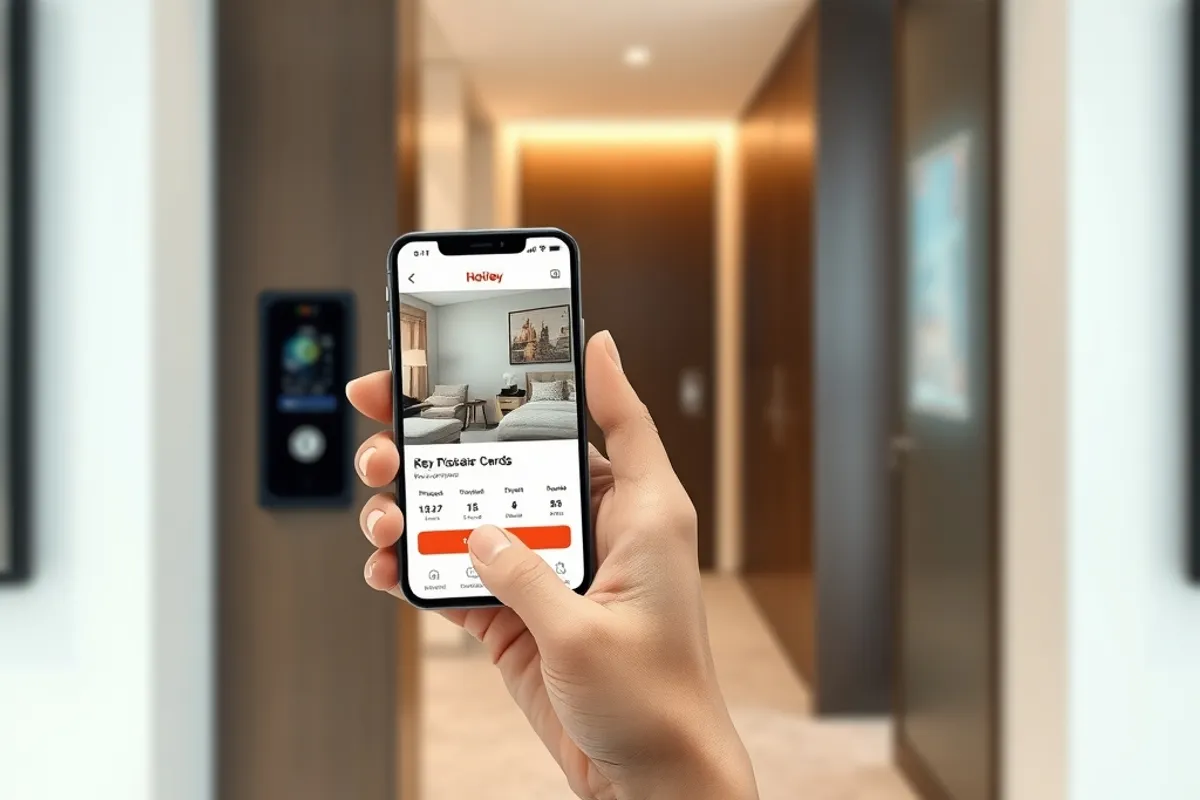
Online check-in is genuinely useful when it lets you skip a desk queue and go straight to the room. It is less useful when it simply moves the same form to a smaller screen. Mobile keys work well in properties with reliable locks and staff who can issue a backup card without drama.
Always ask for a physical card as well, even if you plan to use the app. Phones die, updates break apps, and a card in your wallet has never asked for a software update. The best hotels offer both without making you feel like a Luddite for choosing the card.
Lighting and climate control
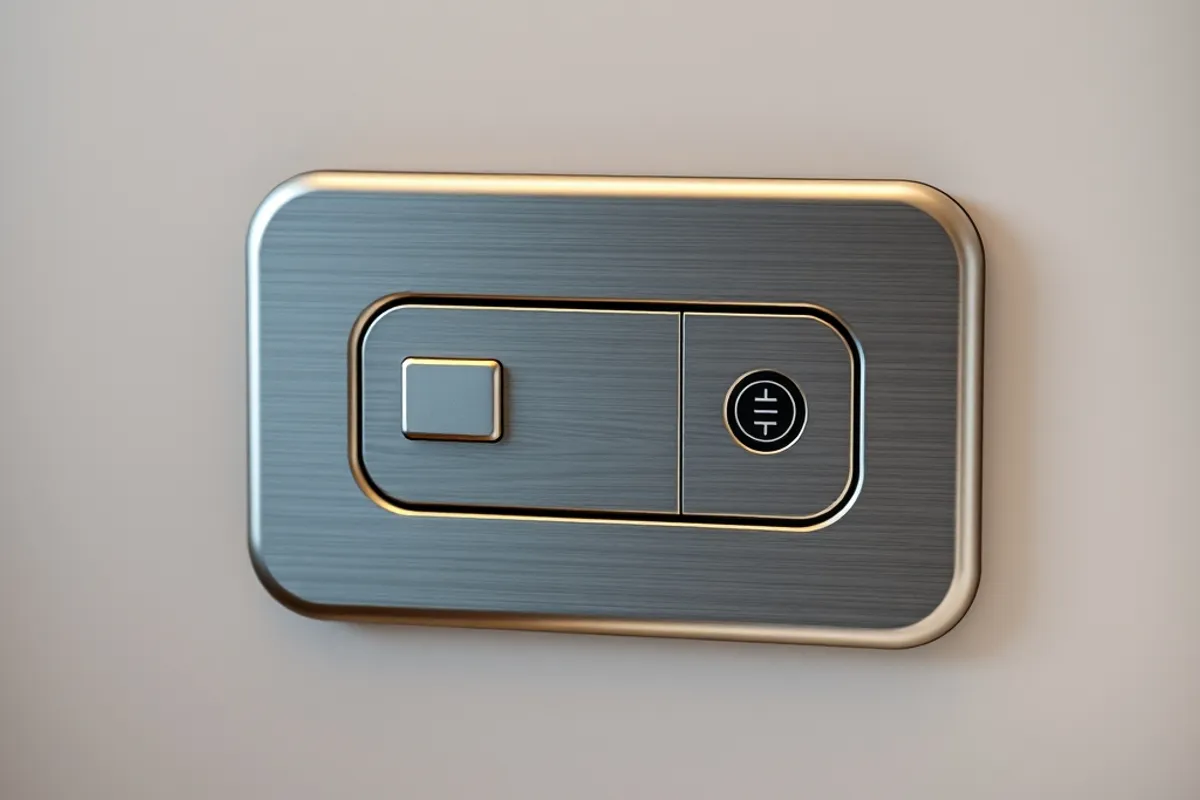
Scene-based lighting is pleasant when it works and infuriating when it does not. A bedside master switch, a reading light and a bathroom light that comes on at night are worth more than a colour wheel. If you need a tablet to turn off the bathroom light, the room has been over-designed.
Climate control is the bigger practical issue. Sensors that cut the air conditioning when the room is empty can leave a lakeside room damp by evening. Ask whether the system can be overridden, and whether the window opens. In older buildings, a window is often the best climate technology available.
Privacy and the connected room
Anything with a microphone or a camera in a hotel room deserves a second look. Most voice assistants are disabled by default because of privacy concerns, but policies vary. Ask what the device records, where the data goes and how long it is kept.
Presence sensors are less obvious and more common. They may detect motion, door state or even breathing to manage energy use. That can be reasonable for a hotel, but you should be able to find out. A short question at check-in is usually enough to get a straight answer.
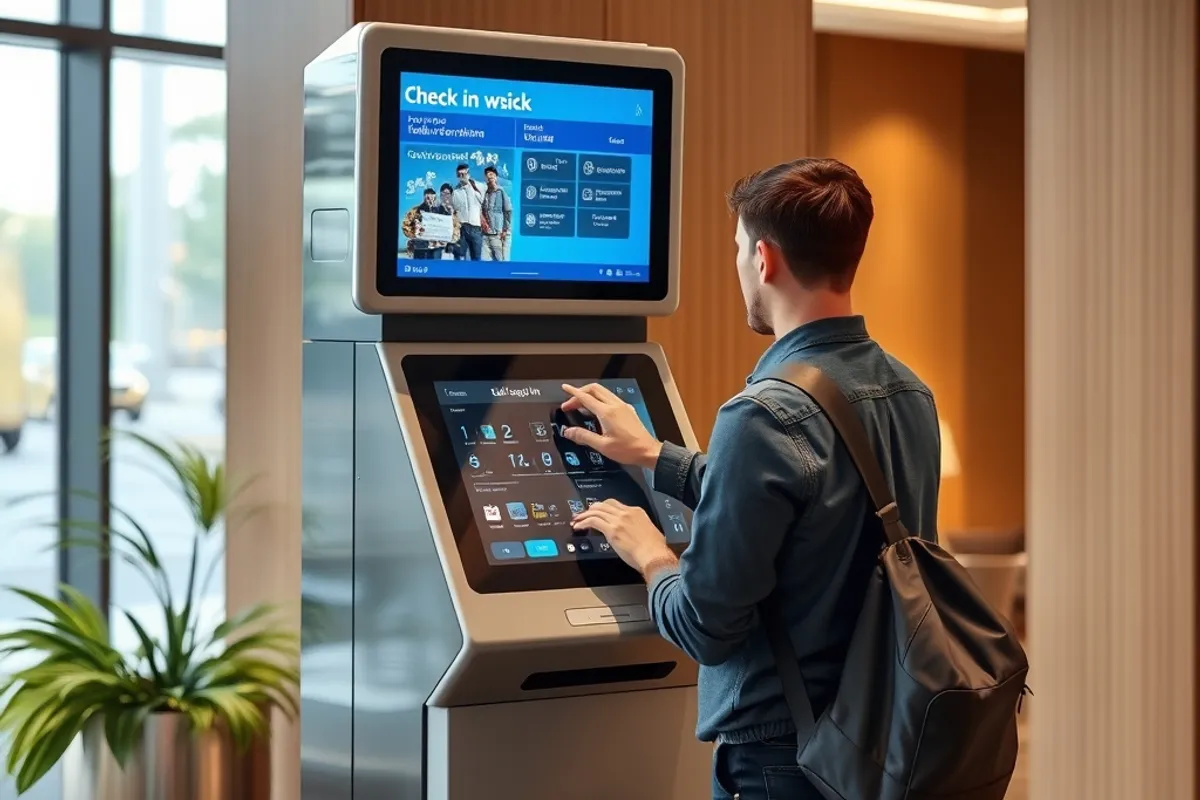
Good hotel tech disappears. Bad hotel tech becomes a second job at 2am.
Accessibility is the real test
A good smart room should be easier for a guest with limited mobility, not harder. Voice control can help someone who cannot reach a switch. A tablet fixed to a wall at waist height can be useless to a guest in a wheelchair. The technology should reduce effort, not relocate it.
Ask about physical controls, grab rails, step-free access and whether the app supports screen readers. A hotel that has thought about accessibility usually has thought about the rest of the room too. It is a useful proxy for whether the technology was designed or simply installed.
What to ask before you book
Ask four questions: is there a physical key card, are there physical light switches, can the thermostat be overridden, and what does the room technology record? A hotel that answers all four clearly is probably run by people who have stayed in a hotel.
Then decide how much tech you actually want. For a short city break, a reliable key and a quiet room beat a tablet. For a longer stay, a good app and fast Wi-Fi can genuinely help. The room should serve the trip, not the other way around.
Official source: ftc.gov.